Categories
Uncategorized

Imagine walking through royal palaces, ancient forts, and colorful bazaars—all in one unforgettable trip

That’s exactly what India’s Golden Triangle Tour promises. It’s the most iconic travel circuit that connects Delhi, Agra, and Jaipur — three cities that capture the very soul of India. From the Mughal grandeur of Delhi to the eternal beauty of the Taj Mahal and the royal charm of Jaipur, this route brings history, color, and culture alive like nowhere else.

At Colours India Tours, we design the best Golden Triangle Tour Packages in India that let you explore the heart of India in comfort and style — whether you’re a first-time visitor or a seasoned traveler chasing new experiences

What Is the Golden Triangle Tour?

The Golden Triangle Tour forms a perfect triangle on the map — linking Delhi, Agra, and Jaipur, each city about 200–250 km apart. Together, they tell the story of India’s royal past and vibrant present.

  1. Delhi – The capital city is where old meets new. You’ll find ancient monuments like the Red Fort and Qutub Minar standing tall amidst bustling markets and modern cafes.
  2. Agra – Home to the world-famous Taj Mahal, Agra takes you on a romantic journey through Mughal art and architecture.
  3. Jaipur – Known as the Pink City, Jaipur enchants you with its royal palaces, majestic forts, and traditional Rajasthani culture.

No wonder travelers from around the world search for golden triangle tour packages India — it’s the perfect route to discover the country’s essence in just a few days.

Why Choose the Golden Triangle Tour Packages?

If you’re visiting India for the first time, the Golden Triangle Tour is your best starting point. It’s safe, easy to travel, and packed with everything that defines India — history, colors, food, and warm hospitality.

Here’s why travelers love it:

  1. It’s a well-connected travel circuit with smooth road and train links.
  2. It perfectly blends heritage, spirituality, and modern lifestyle.
  3. Ideal for families, couples, and solo travelers who want an authentic Indian experience.
  4. You can explore forts, bazaars, temples, and local cuisines — all in one journey.

At Colours India Tours, we curate the best Golden Triangle Tour Packages that balance sightseeing and relaxation — so you get the full royal experience without any rush.

Highlights of the Golden Triangle Tour

Each stop on the Golden Triangle tells a unique story — from Delhi’s bustling lanes to Agra’s timeless love symbol and Jaipur’s royal grandeur.

Delhi – The Gateway to India
Start your adventure in Delhi. Walk through the majestic Red Fort, pay tribute at India Gate, and explore the centuries-old Chandni Chowk, where every corner smells of history (and delicious food!). Don’t miss the serene Lotus Temple and towering Qutub Minar — symbols of Delhi’s diversity.

Agra – The City of Love
Nothing prepares you for your first view of the Taj Mahal at sunrise. It’s pure magic. Agra also charms you with Agra Fort, a massive red sandstone fortress, and Mehtab Bagh, where you can watch the Taj glow under the evening sky.

Jaipur – The Royal Capital of Rajasthan
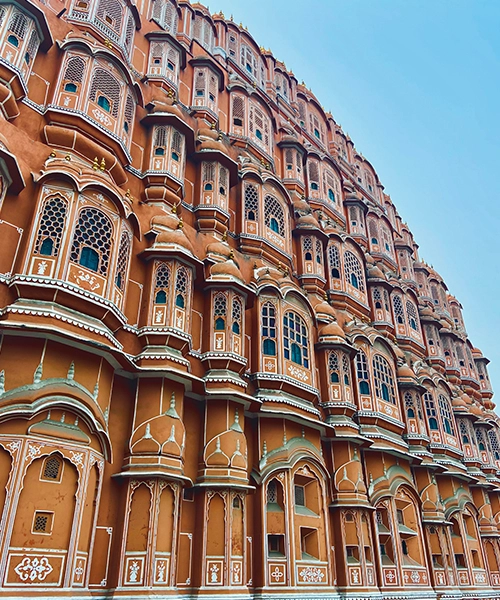
Finally, step into Jaipur — the city of kings. Explore the majestic Amber Fort, the iconic Hawa Mahal, and the regal City Palace. Wander through Johari Bazaar, filled with colorful jewelry, textiles, and handicrafts. Every lane here whispers tales of valor and royalty.

You’ll watch sunsets from palace terraces, sip masala chai while elephants pass by, and realize — time slows down in the Golden Triangle.

Golden Triangle Tour Packages Price & Cost Guide (2025)

Planning your dream trip and wondering about the golden triangle tour packages price? The cost varies based on your travel style — from budget-friendly escapes to royal luxury experiences.

Here’s a simple idea (without numbers and charts):

  1. Budget tours are perfect for backpackers and small groups who want great value. Expect stays in comfortable 3-star hotels with guided sightseeing.
  2. Mid-range tours include better hotels, private transfers, and extra activities like evening cultural shows.
  3. Luxury tours take it up a notch with 5-star heritage hotels, private chauffeurs, and exclusive experiences — think royal dinners and spa sessions.

Generally, the golden triangle tour packages cost starts around ₹18,000 per person and can go up to ₹60,000 or more, depending on duration and luxury level.

At Colours India Tours, we customize every itinerary to match your comfort, budget, and pace — so you only pay for the experiences you truly want.

Customizing Your Golden Triangle Tour with Colours India Tours

What makes Colours India Tours special is our personalized touch. We understand that no two travelers are the same — some crave adventure, others prefer cultural immersion or quiet luxury.

You can extend your Golden Triangle journey with exciting add-ons:

  1. A wildlife safari in Ranthambore National Park
  2. A spiritual visit to Pushkar
  3. Or a cultural evening in Jaipur with folk dance and Rajasthani cuisine

From hotel bookings to private guides, we handle every detail with care — so you can focus on soaking in the royal vibes of India.

Tips for First-Time Travelers

If it’s your first time exploring India, a few smart tips can make your journey even smoother:

  1. Best time to visit: October to March — when the weather is pleasant and sightseeing is comfortable.
  2. Book in advance for better hotel and transport options, especially during peak season.
  3. Pack wisely: Comfortable shoes, sunscreen, and a hat are must-haves.
  4. Stay hydrated and embrace local food — but go easy if it’s your first time!

Remember, with Colours India Tours, every small detail — from airport pickup to hotel check-in — is taken care of. All you have to do is show up and enjoy the magic.

Conclusion

The Golden Triangle Tour isn’t just a route — it’s a royal journey through India’s past and present. It lets you experience the rhythm of Delhi, the romance of Agra, and the regality of Jaipur, all within one unforgettable trip.

Whether you’re chasing architecture, history, food, or vibrant street life — this journey has it all.

Frequently Asked Question

1. What is the Golden Triangle Tour in India?

Ans. The Golden Triangle Tour is India’s most popular travel route connecting Delhi, Agra, and Jaipur. It forms a triangle on the map and showcases the best of India’s history, architecture, and culture — from the Mughal monuments of Delhi to the Taj Mahal in Agra and the royal palaces of Jaipur.

2. How many days are enough for the Golden Triangle Tour?

3. What is the best time to book Golden Triangle Tour Packages?

4. What is the average cost of Golden Triangle Tour Packages?

5. Can I customize my Golden Triangle Tour itinerary?

5. Why choose Colours India Tours for the Golden Triangle Tour?

Categories
Uncategorized

Heritage Hotel in Jaipur: Experience Regal Luxury and the Residue of Rajasthani Charm

Imagine awakening each day in a palace, the morning sun streaming in through the elaborate jharokhas, peacock calls resonating in the gardens, the lingering aroma of sandalwood wafting in the air. That’s what it feels like to stay in a heritage hotel in Jaipur – a regal tapestry of history, comfort, and Rajasthani hospitality.
Jaipur as the “Pink City” is much more than gorgeous forts and colorful bazaars. It is a living museum of former royal grandeur. And a heritage stay offers more than a room – it gives you an experience. At Colours India Tours, we help travelers navigate the most authentic royal stays in Jaipur that bring every royal moment in history alive with each step.

Why Jaipur is Known for Its Heritage Hotels

Jaipur preserves the heart and spirit of Rajasthan’s royal heritage. Once the city of kings and queens, their palaces, forts, and havelis have now beckoned travelers who seek the same royal feel. Each heritage hotel in Jaipur city is a part of the past – lovingly restored and taken care of with respect and dignity to tradition.
Many of these hotels are family-run establishments filled with original art pieces, antique furniture, and hand-painted walls. You can feel the city in every hallway – a medley of Mughal influence, Rajput pride, and artistry that has always characterized the spirit of Jaipur.

What Makes a Heritage Hotel Special?

A luxury heritage hotel in Jaipur is not just elegant rooms, it is an experience immersed in royal history. From large courtyards with fountains to marble verandas overlooking city views, every detail is imbued with a story.
When it comes to what differentiates these royal resorts from others, here are some particulars:

  • Architecture: Rajasthani motifs everywhere you turn; beautifully carved arches, and colorful frescoes.
  • Decor: Very old pieces of furniture, handcrafted carpets, and walls lined with royal portraits.
  • Hospitality: The overwhelming welcome of garlands, rosewater, and sincere Rajasthani smiles.
  • Experience: Folk dance nights, traditional thali dinners, or heritage walks that evoke a desire to be a part of it all.

In short, the best heritage hotel in Jaipur offers an incredible combination of royal luxury and genuine, honest heartwarming hospitality – a balance that modern hotels will never duplicate.

Heritage Stays: A Range for all Travellers

Jaipur has so many heritage options, from luxurious palaces to simple havelis, there is some ideal version of royalty for every traveler.

Luxury Heritage Hotels:

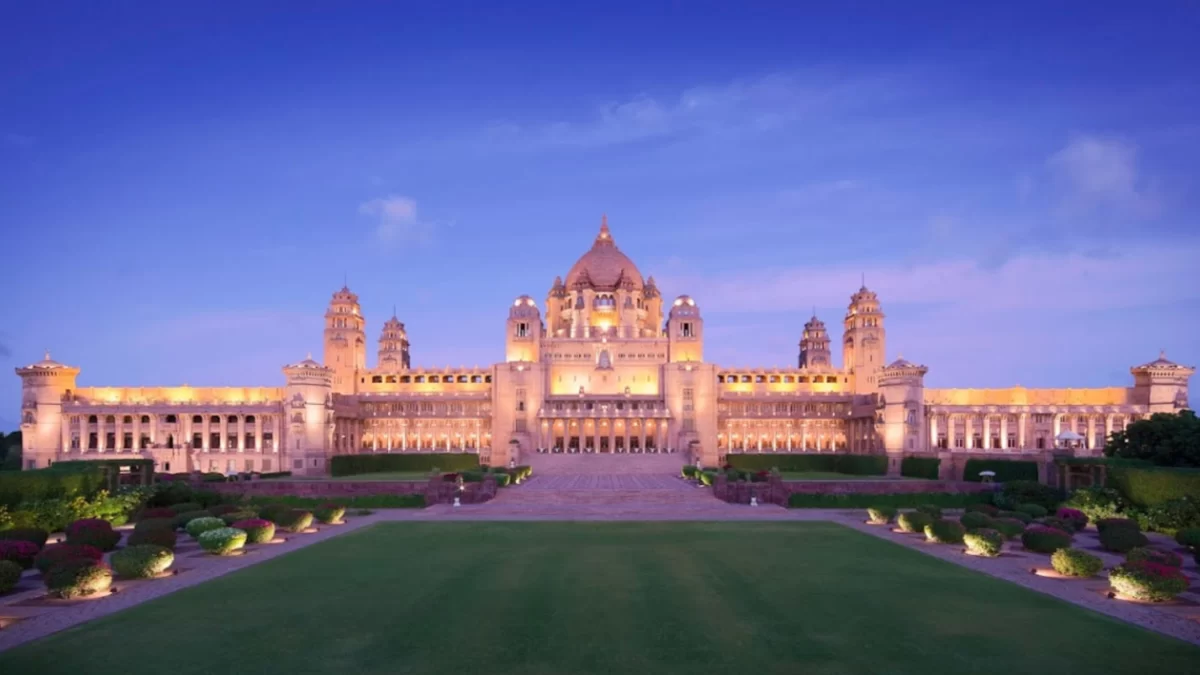
For travelers wanting to live as a maharaja. These heritage palaces have expansive grounds, upscale restaurants, spa therapies, and impressive architecture. Great for honeymooners, family vacations, or those looking for a luxurious experience steeped in the past.

Budget Heritage Hotels:

Not every royal stay has to come with a royal price tag. Jaipur has plenty of budget heritage hotels with the same charming experience, but simpler facilities. Cozy courtyards, antique-style interiors, and homemade Rajasthani food that is tradition brought to the table.
At Colours India Tours, we help travelers find both types of accommodations – Whether relaxing at a luxurious palace or enjoying the homely comforts of a heritage-style haveli.

Why Stay in a Heritage Hotel and Not a Regular Hotel

Staying in a heritage hotel rather than a regular hotel is choosing an experience over comfort. A regular hotel promises you comfort. A heritage hotel showcases stories.
The walls, arches, and paintings tell you stories. You can eat food recipes that have been passed down from generations before you, under antique chandelier lighting, and wake to wake to the sound of bells ringing from a temple.
Here are a few reasons heritage hotels win hearts:

  • Personalized Service: You are treated like family instead of a guest.
  • Authentic Cuisine: Enjoy traditional dishes from Rajasthani families that have been made for generations using recipes passed down in families.
  • Cultural Experience: Folk dances, to paintings and local art to traditions.
  • Sustainable Tourism: Many properties preserve historical buildings rather, contributing to an environmentally responsible stay while bringing tourists to the community.

Staying in a heritage hotel is the difference between seeing Jaipur and feeling it.

Famous Heritage Areas in Jaipur

Jaipur features an abundance of locations where heritage hotels provide a lush environment and proximity to attractions.

  • City Palace Area: Good area for staying in the center of old Jaipur. Just steps away from markets, monuments, and traditional restaurants.
  • Amer Fort Road: Encamped by hills and history. Possibly the most luxurious palace hotels. Ideal for staying in a peaceful getaway with gorgeous views.
  • Bani Park & C-Scheme: A great choice for travelers wanting mid-range or budget heritage hotels – located reasonably close to new cafés, markets, and major roads.

Each area has its own representation of a mood of Jaipur – royal elegance to local.

Guidelines for Choosing a Suitable Heritage Hotel

Choosing a heritage stay is appropriate to the way you like to travel and your level of expectation. A few considerations can help make your royal vacation more enjoyable.

  • Know your reason: Luxury getaway, family holiday, or culture journey – these varieties of getaway-type occasions, dictate your preferred way to stay.
  • Make sure you check for authenticity: Some hotels are certified hotels of genuine heritage. Choose hotels that are certified or genuinely restored heritage properties.
  • Read guest reviews: The experiences of real guests can communicate the experience better than an artistically done photograph.
  • Compare amenities: While you’re assured luxury, make sure you’re also getting comfort that won’t obfuscate the charm.
  • Ask if there’s local experiences being offered to you: Some hotels create guided experiences, cooking sessions, and performance of folk folk art.

At Colours India Tours, we strive to match the appropriate property with traveler – simply, because an unmistakable stay is all personal, not promotional.

Conclusion

A stay in a heritage hotel in Jaipur, sick as what holiday should be, is time travel. You reside in walls of a majestic house that have witnessed regal feasts, overheard a part of history and still alive with the warmth of Rajasthani hospitality.
From indulgent palaces that captivate the eyes to budget havelis that captivate the heart, the stays are celebrations of the soul of Jaipur.
It is immersive, full altruistic emotion and unforgettable.

Categories
Uncategorized

Luxury Train Tours

Palace on Wheels – A Luxury Train Tour Package

The award-winning Palace on Wheels will make you feel like royalty. It was the mode of transportation of choice for the kings of Rajasthan, the Nizams of Hyderabad, and other discerning individuals throughout its history and into the present. Modern amenities and opulent cabins are offered by the train. Indian hospitality that is renowned and a meticulously designed unique itinerary.

The train crisscrosses some of the historic princely states of the vibrant Rajasthan, the “land of kings,” evoking nostalgia for the decadence, romance, and elegance of bygone eras. Here, views of camel-studded sand dunes are accompanied by a bewitching dose of culture, the chance to witness some of India’s most compelling traditions in action, and the chance to admire some of its incredible wildlife.

The famous Rajasthani cities Jaipur (the Pink City), Jaisalmer (the Golden City), Jodhpur (the Blue City), and Udaipur (the City of Lakes), as well as the state’s wildlife-rich Ranthambore National Park and its internationally renowned Bharatpur bird sanctuary, will be visible along the route. After visiting Rajasthan, you’ll visit Agra, the city that is renowned for being the epitome of love and romance, before going back to the capital, New Delhi.

Whether you’re visiting UNESCO World Heritage Sites, going on a wildlife safari, or shopping in vibrant local markets, the itinerary has been created to help you get the most out of your time in this fascinating region of the world.

In India, the Palace on Wheels changed what travellers could expect from a luxurious trip. The train travels to breathtaking locations, introduces you to many cultures and traditions, and opens up wildlife attractions for you. It is not just about the luxury. You can experience an unmatched view of India with a nostalgic feeling, starting with the traditional welcoming ceremony and continuing with the royal traditional eating.

Explore The Palace on Wheels Train

Launched in 1982 in collaboration with the Rajasthan Tourism Development Corporation (RTDC), this gorgeous train is the pride of Indian Railways. It has a variety of amenities that have been created to keep you entertained, relaxed, and pampered, from an Ayurvedic spa to personal butlers, from a traditional welcome ceremony to classic royal dining, and it offers a singular and unforgettable vantage point from which to experience Rajasthan and Agra.

Why Choose Palace On Wheels Train ?

The Palace on Wheels is a luxurious train that offers you a royal perspective of Rajasthan, including Agra. Everything on the train exudes luxury, including the check-in process, the accommodations, and the food. The train offers comfort and elegance on wheels.

Every trip of the Rajasthan region by The Palace on Wheels, which welcomes visitors from all over the world, lasts seven days. The Palace on Wheels is a very popular tourist attraction for a variety of reasons. The Palace on Wheels’ luxury and comfort attract many passengers.

Because of its excellent hospitality, Palace on Wheels is a preferred option for travellers. The best service is provided to visitors, which is evocative of Indian culture. There is always someone available to take care of your requirements, and hospitality is warm and friendly.

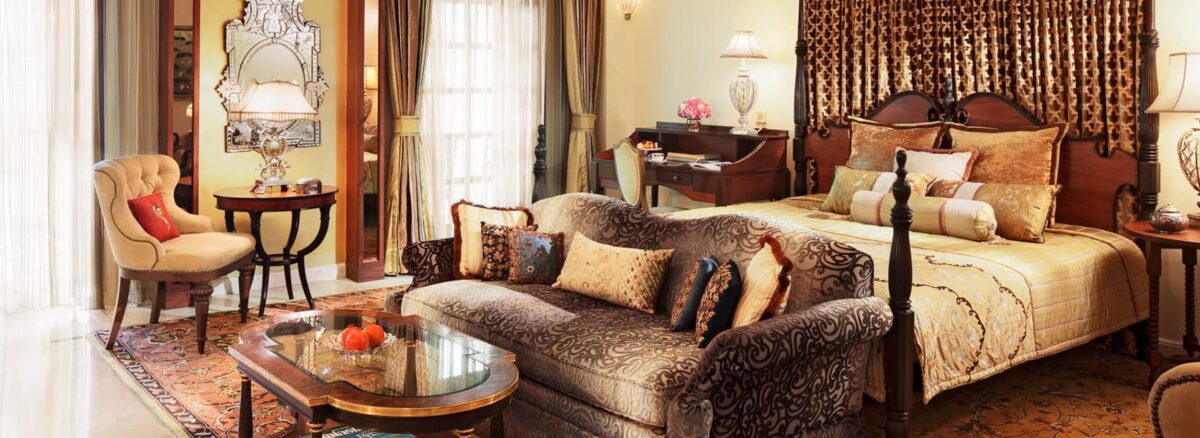
The Palace on Wheels’ interior design is another factor in the popularity of the hotel. Every design element in the cabins was inspired by the region of Rajasthan’s regal past and is meant to uphold the highest standards of luxury.

The Palace on Wheels has excellent amenities. Modern amenities included in the cabins will make your stay very comfortable. While onboard, you will have access to amenities including Wi-Fi connectivity, air conditioning, and conference rooms.

The best food the area has to offer will be served to you. The greatest foods from India will be served to you by some of the most talented chefs at The Palace on Wheels.

Imagine enjoying the ultimate in luxury while seeing the best of Indian beauty in only one week. Before I entered the typical red carpet welcome with musicians and other artists, I had no idea that luxury and adventure could be combined into a single journey. It turns out that the main goal of Palace on Wheels is to recreate the regal experience of the country’s crowning heirs.

The train took us to some of the most famous locations in the country, and each one exposed a particular aspect of the country. The land’s geography is explored for days in search of immeasurable historical marvels and unmatched natural beauty. The train enters party mode at night. The lounge has a sizable selection of alcoholic beverages from both abroad and here. ‘Paradise’ will be an understatement for a Palace on Wheels holiday, with music filling the air and like-minded people all around you.

Our journey began in New Delhi and took us via the towns of Rajasthan to experience the sand dunes, vibrant culture, camel-centric way of life, magnificent architectural creations, and unmatched hospitality. The Taj Mahal, a marble mausoleum, served as the grand climax of the journey.

The royal-modern nostalgic aesthetic of the interior is what passengers initially notice when they board. However, every component of the cabin—from the needlework on my linens to the wall hangings—brought a connection to the natural world. The furnishings successfully blend cultural and historical themes with your trip.

India’s food is one of the most charming aspects of the country. I had the impression that during my trip, food was a part of their culture, hospitality, celebration, and expression. We were in for a culinary journey with Palace on Wheels. The restaurants raised a lot of expectations for dining out because to their elegant decor, mouthwatering menu, and first-rate services.

About the Train

The train offers you a ride unlike any other thanks to its charming décor, cutting-edge comforts, and flawless fusion of traditional Rajputana with modern panache. The romance of an enchanting adventure through Rajasthan’s most colourful landscapes permeates every moment of the voyage. Up to 88 passengers can fit in the 14 guest carriages’ nicely decorated interiors. There are dining options, a bar and a lounge to enhance the experience of a special train ride in India.

Palace on Wheels Cabins

The Palace on Wheels’ original carriages were the private vehicles of India’s former rulers, but the train’s renovated cabins now feature modernised versions of those original carriages. The names of the cabins are derived from the former princely states of Rajasthan.

These are the main characteristics of the Palace on Wheels:

Alwar, Bharatpur, Bikaner, Bundi, Dholpur, Dungarpur, Jaipur, Jaisalmer, Jhalawar, Jodhpur, Kishangarh, Kota, Sirohi, and Udaipur are among the 14 bars that have names of several Rajasthani provinces.

Every coach has been aesthetically decorated in a royal style including mirror work, upholstery, miniature paintings and antique furnishings.

  • Channel Music system
  • Intercom
  • Mini Pantry
  • Attached bathrooms with hot and cold running water
  • Khidmatgar- a personal attendant
  • Other Facilities

The Palace on Wheels also has the following amenities:

  • Luggage Collection
  • Welcome Kit on Arrival
  • Personal Attendant or Khidmatgar
  • Mineral Water
  • News Paper/Magazine
  • Toiletories
  • Security
  • CD player
  • Free Wi-Fi Internet

Dining At Palace on Wheels

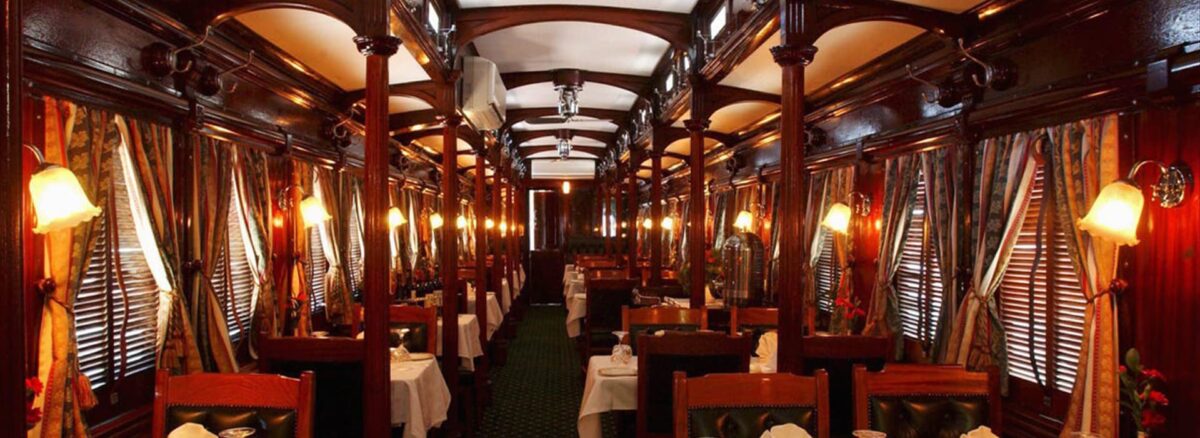
Two elegantly decorated eateries are located on the train. Seating is arranged in the restaurants in groupings of two and four. The visitors on board can enjoy delectable Indian cuisine, particularly Marwari, as well as other popular international fare (such as Continental and European). A large a la carte menu is available in addition to the table d’hôte meals that are included in the Palace on Wheels rate. Here are the names of the two eateries:

Restaurants: Maharaja and Maharani

Additionally, some restaurants have their own bars that serve a selection of alcoholic and non-alcoholic drinks from both Indian and foreign brands.

Lounge on Palace on Wheels

The Palace on Wheels’ Sitting Lounge is the ideal location to unwind after a long day of sightseeing. Simply take a seat, unwind, and take in the inviting atmosphere. Additionally, you can engage in some light conversation with other travellers.

Spa at Palace on Wheels

The train recently received a refreshing spa. The customers of this special spa car can choose from a number of procedures, massages, and therapies. You can unwind your mind, body, and soul after a strenuous day of sightseeing. The spa’s design exudes a tranquil atmosphere.

Palace on Wheels Package Itinerary or Routes

The Palace moving The schedule for the train is 7 nights and 8 days. The itinerary is usable in either the summer or the winter. The Palace on Wheels train route is thoughtfully planned to consider passengers’ level of comfort. Visit the Taj Mahal and the most significant locations in Rajasthan using our Palace On Wheels Train itinerary. You must have your camera on to take pictures during many special occasions on the trip. Please refer to the itinerary listed below for a day-by-day schedule.In some exceptional circumstances, the POW train runs a 5-night schedule, but for the best experience, we advise choosing a 7-night package.

Day 1 : Departure from New Delhi (Safdarjung Railway Station) At 4.30 p.m., arrival and a traditional welcome begin at Safdarjung Railway Station. Wheeled Palace The train departs from Safdarjung Railway Station around 6.30 p.m. Enjoy a lavish meal on board and an overnight peaceful travel in the train on the first day of your Palace on Wheels package.

Day 2 : Arrival in Jaipur the next morning. The Palace on Wheels train pulls into Jaipur, a stunning Indian city, the following day. A UNESCO World Heritage Site has been designated for the city. Jaipur was formerly the centre of Rajput Royal family and founded in the early 18th century. It is also frequently referred to as Pink City. The city’s walls are painted pink throughout, which is why it is known as Pink City. A key component of your Palace on Wheels package is here. You will receive expert tour guidance as you explore Jaipur. Some old forts and palaces can be seen here. Raja Maan Singh I constructed the Amber Fort in the sixteenth century. A distance of 11 km separates Amber Fort from Jaipur. Elephant Ride is Amber Fort’s biggest draw for those who want to visit the fort. Visitors eat dinner at the Jai Mahal Palace Hotel in the evening. During their sightseeing in Jaipur, visitors have free time for buying or marketing. Back to the Palace on Wheels in the late evening for an overnight trip.

Day 3 : Guests will arrive in Sawai Madhopur the next morning. The Palace on Wheels train pulls at Sawai Madhopur Railway Station the following morning. For an excursion to the Ranthambhore Tiger Reserve, you can choose between a Jeep or a canter safari here. The tiger population in National Park is fairly well known. At the Ranthambore National Park, you can get a chance to witness other significant wild animals. Tigers, leopards, nilgais, sambar, dhole, wild boar, hyena, sloth bears, and chital all call it home. A large diversity of trees, plants, birds, and reptiles can be found there. One of India’s largest banyan trees can be found near Ranthambore. Your Palace on Wheels package includes a trip to a wildlife destination, so I hope you will have a great time. Palace on Wheels train departs for Chittorgarh around 10:30 AM. One of Rajasthan’s older, heritage cities. A sumptuous meal will be provided on the train. You will go to Chittorgarh Fort, which is on a large plateau and has a lot of water bodies. It was once the seat of the Mewar Dynasty, which is regarded as having one of the longest royal dynasties. In the evening, visitors to Chittorgarh enjoy the Sound & Light Show. At the Panna hotel, a lavish supper and cultural performance would be held. Board the Palace on Wheels train in the evening for an overnight trip.

Day 4 : The following day, early arrival in Udaipur. The Palace on Wheels train arrives in Udaipur the following morning. The City Of Lakes is a well-known nickname for Udaipur. In the sixteenth century, the Mewar Dynasty Clan relocated and constructed this city. a tour of the City Palace complex in Udaipur, which was rebuilt in the 18th century after being established in the 16th. Take a boat ride on Lake Pichola and then treat yourself to a lavish lunch at a palace hotel. Enjoy the journey because visiting Udaipur is essential to the package. Take the Palace on Wheels train in the evening for a luxurious supper and overnight journey.

Day 5 : Arrival in Jaisalmer the next morning. The Palace on Wheels train arrives in Jaisalmer the following morning. Jaisalmer is located in the Thar desert, and the sands there have a Golden Yellowish tint. Later visit to Jaisalmer’s Golden Fort, which was refurbished in the 18th century after being established in the 12th. Travellers depart in the afternoon for their journey to Sam Sand Dunes. Enjoy a camel ride in the desert, followed by a cultural programme and a meal cooked over a fire. Another significant component of the vacation package includes Jaisalmer. Returning in the evening to the Palace on Wheels train for the overnight voyage on board.

Day 6 : Arrival in Jodhpur the following morning. The following morning, a train arrives at Jodhpur, which served as the state capital of Marwar. With its numerous palaces, forts, and temples, it is now a popular tourist destination. The first item to see is the magnificent Mehrangarh Fort Palace, which is situated on a 400-foot slope. The Fort’s construction began in the fifteenth century and was finished in the seventeenth. The Palace has a museum collection. Jaswant Thada is a white marble architectural monument from the 19th century that was constructed as a memorial to the local Rajput royal family. At the Palace Hotel, lunch will be provided. Experience the graciousness of the Palace on Wheels package. returning in the evening to the luxurious train for a sumptuous meal and an overnight voyage.

Day 7 : The train arrives in Bharatpur in the morning. When the early train arrives in Bharatpur, passengers must ride in a cycle rickshaw through the city’s winding streets. A UNESCO World Heritage site is the Bharatpur Bird Sanctuary. There are more than 230 different bird species to observe. Keoladevi Ghana National Park has a lovely lake.

09:00 AM Moving towards Agra is the Palace on Wheels train. Later, a train arrives at Agra, where visitors can tour the Agra Fort, which served as the Mughal emperors’ palace. Visit the Taj Mahal later. It is one of the Seven Wonders of the World and a UNESCO World Heritage Site. The most significant component of the Palace on Wheels bundle is the Taj Mahal. For shopping, many tourists go to the local markets in Agra. Dinner is served at a five-star hotel in Agra. Returning in the evening to an overnight ride on an Indian luxury train.

Day 8 : Wednesday 4 a.m. arrival at Delhi’s Safdarjung railway station. Early in the morning, the train pulls into Safdarjung Railway Station. Breakfast will be provided to you while riding the train. The moment has arrived when the Palace on Wheels package is finished. The check-out and farewell procedures will be finished at 7:00 AM. You will be picked up by one of our representatives and transported to the Delhi airport from the Safdarjung Railway station.

Inclusions

Stay & overnight travel in private cabins with attached bathrooms on the train Pre-paid group excursion & sightseeing trips in air-conditioned coach with services of English Speaking Guide in each tourist town visited Bed Tea & Daily 3 meals wide variety of both vegetarian & non vegetarian cuisine with bottled drinking water Entrance & Till Camera Fee at Monuments & Wild Life Reserves Elephant joy ride in Jaipur, Jungle Safari by Canters in Ranthambhore Sound & Light show at Chittaurgarh Fort Boat ride in Udaipur, Camel joy ride in Jaisalmer, Cultural Program in Jaisalmer & Cycle Rickshaw ride in Bharatpur

Exclusions

Consumption of Alcoholic & Non- alcoholic Beverages Professional & Video Camera fees at monuments & game parks Laundry Room Services Telephone Calls Wi-FiModem Spa Saloon Tips Porter charges, Tour Insurance & all other expenses of personal nature Hotel stay in Delhi, Air tickets to India, arrangements for Visa to enter India

Many passengers on the Palace on Wheels train are happy with the services and express their satisfaction. All trained personnel are hired because it is a joint effort between Indian Railway and the Rajasthan government. The journey is made unforgettable by the quality control team and the hospitality-trained staff. We frequently get visitors who have recently taken trips and had a good time. Anyone who has taken a trip will undoubtedly urge you to experience a luxury train.A recent Covid 19 pandemic prevented many foreign tourists from visiting India. India welcomes all visitors to come and explore our nation. The stunning Luxury Train we are so proud of will keep serving all of our customers.

Categories
Uncategorized

Honeymoon Tours in India

Start Your Love Story with the Perfect Honeymoon

A honeymoon is a once-in-a-lifetime chance to start your love and romantic life right. After all, this is the trip where you and your soulmate will spend some alone time together and remember those delightful moments throughout life. Who does not want a fantastic honeymoon?

Why India is the Perfect Honeymoon Destination

Due to its breathtaking beauty, India attracts the most newlywed couples when it comes to vacation planning. Everyone’s desires can be satisfied by hill stations, remote locations like deserts and islands, the best adventure sports, soothing beaches, and lush greenery. In Ayurveda/spa resorts, you can stay in the lap of nature while on vacation and enjoy your romantic moments resting on beaches with golden sand.

India’s tourist spots and attractions take the greatest care of you. The best way to enjoy your honeymoon is to spend romantic time with your spouse on beaches, snowy mountains, tranquil backwaters, or in the midst of dense coconut or palm plantations.

Explore Honeymoon Tour Packages Across India

As part of Honeymoon Tour Packages in India, you can choose from a variety of honeymoon sites in India that range from the North to the South and from the East to the West.

Personalized Honeymoon Packages by Colours India Tours

ColorsIndiaTours offers couples around India individualized honeymoon packages that are created to provide a memorable experience. Every destination where we arrange a trip with luxury accommodations and complimentary inclusions, whether it be the remote Andaman Islands, the buzzing Goa, the alluring backwater destinations of Kerala, the regal cities of Rajasthan, the snow-capped mountains of the North, or the misty hill stations of the South, leaves visitors with priceless memories they will cherish forever.

Top Honeymoon Destinations in India

Couples on their honeymoon have a wide variety of locations to choose from where they can travel and enjoy themselves as they please.

Goa – For Beach Lovers and Party Enthusiasts

Choose one of our Goa honeymoon packages if you love the beach and want to spend time with your partner in a party atmosphere while also engaging in some adventure sports.

Kerala – The Romantic Backwaters Experience

It would be lovely to stay on a houseboat on Vembanad Lake, at a luxurious resort in Kumarakom or Alleppey, and take a sunset sail on Kerala’s backwaters.

Shimla & Manali – For Snow-Loving Couples

Shimla and Manali are ideal for snow-loving couples.

Andaman Islands – Pristine and Peaceful Escapes

The Andaman Islands’ pristine coastlines make for one of the top honeymoon destinations if you’re seeking something unusual.

Plan Your Dream Honeymoon with Colours India Tours

In this section, Coloursindiatours has made an effort to develop some of the greatest itineraries for our clients. Simply select one from your selection of honeymoon travel packages to create the most memorable honeymoon possible.

Categories
Uncategorized

Top Trekking Places Around Jaipur | Adventure Trips in Rajasthan

TREKKING PLACES YOU NEED TO VISIT AROUND JAIPUR

Jaipur is a standout among the most prominent traveler destinations in India, for domestic as well as international
tourists. It is the capital and biggest city of Rajasthan. Jaipur was established on 18 November 1727 by Maharaja
Jai Singh II, the leader of Amer after whom the city is named. It is a well known visitor destination in India and
serves as a portal to other travel destinations in Rajasthan. There are a cluster of places around Jaipur, that you
can go on a trek, let us look at some of them.

ADVENTURE TRIPS FROM JAIPUR

They are as per the following –

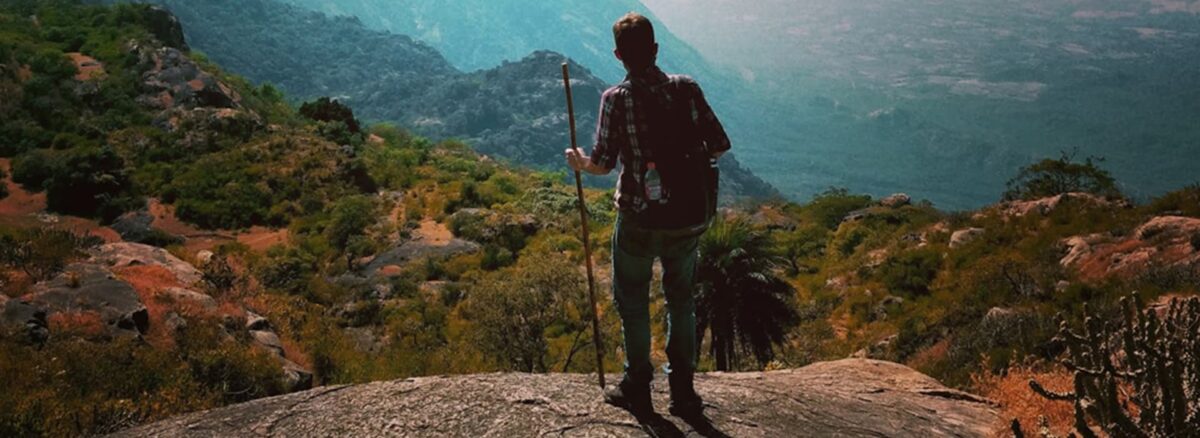
1. ARAVALLI – 370 KM FROM JAIPUR:

In the event that you are searching for an experience unmatched, one ought to look at the Aravalli Trek. Home to the
best trekking spots around Rajasthan, the wildlife and areas incorporated will excite you and make you come back for
a bit more. This is a good trekking spot and one would enjoy going for a trek out here.

HOW TO REACH ARAVALLI:

There are numerous choices for you. It ranges from train, bus, taxi.

THINGS TO DO IN ARAVALLI:

Keep no less than a week in hand to explore and touring with the assistance of the elephant safari.

2. MOUNT ABU – 450 KM FROM JAIPUR:

The Mount Abu Trek ought to likewise be on your to do list. For those of you wanting to strain a bit more and sweat
it out, this seems like the perfect location. Campfire evenings are organized toward the day’s end and one can
loosen up and unwind under the elegant skies.

HOW TO REACH MOUNT ABU:

There are taxicabs accessible from Jaipur to Mount Abu.

THINGS TO DO IN MOUNT ABU:

Nakki Lake is a famous spot you should visit.

3. GODWAR – 200 KM FROM JAIPUR:

On the off chance that you might want to experience trekking through the wildlife in Rajasthan, the Godwar Circuit
looks the ideal choice for you and yet adventurous.

HOW TO REACH GODWAR:

Taking your car can be the most perfect choice.

THINGS TO DO IN GODWAR:

Camel Safari is a well-known activity in Godwar.

4. MEWAR – 185 KM FROM JAIPUR:

Another promising trekking trail is the Mewar circuit. Wandering through Narlai, crossing the Aravallis, it is a fun
place for trekking in this some part of Rajasthan.

HOW TO REACH MEWAR:

You can hire a taxi or travel by your own particular car.

THINGS TO DO IN MEWAR:

Apart from trekking, it is a beautiful destination for sightseeing.

5. MARWAR – 300 KM FROM JAIPUR:

Marwar lies mostly in the Thar Desert. In Rajasthani language wad implies a specific range. The word Marwar is
derived from the word in Sanskrit. English interpretation of the word is the locale of desert. The locale
incorporates the present-day areas of Barmer, Jalore, Jodhpur and Pali. It is limited on the north by Jangladesh
locale, the east by Ajmer, on the southeast by Mewar. It is additionally an interesting spot to go on a trek,
however it it isn’t much known among the people in the country.

HOW TO REACH MARWAR:

You can take a taxicab or your own particular car.

THINGS TO DO IN MARWAR:

Visting the Thar Desert is a noteworthy fascination over here.

6. RANTHAMBORE NATIONAL PARK – 180 KM FROM JAIPUR:

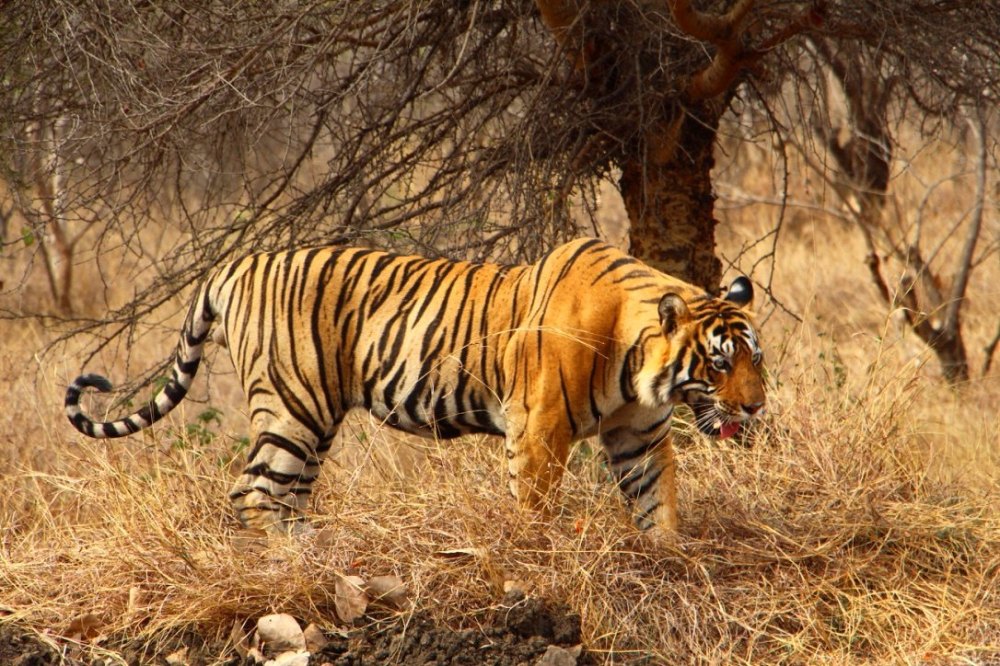
Ranthambore National Park or Ranthambhore is one of the biggest national parks in northern India, covering a range of
392 km². It is located in the Sawai Madhopur region of southeastern part of Rajasthan, around 110 km upper east of
Kota and 180 km southeast of Jaipur. Ranthambore’s wildlife is known for its tigers and is one of the best places in
India to see these creatures in their natural jungle territory. Tigers can be effectively seen even in the daytime.
The best times for tiger sightings at Ranthambore National Park are in November and May. It’s deciduous woodlands
are trademark samples of the kind of wilderness found in Central India. The National park is extremely known for
bird watching and in addition trekking. If you aren’t certain about which place to visit for weekend getaways from
Jaipur, then Ranthambore National Park is the place to be for you.

HOW TO REACH RANTHAMBORE NATIONAL PARK:

To reach here from Jaipur, you have the options of hiring a cab or taking your own car.

THINGS TO DO IN RANTHAMBORE NATIONAL PARK:

Bird Watching and Jungle Safari are some of the loved things to do out here.

7. JAISALMER – 560 KM FROM JAIPUR:

Once known as the Jaisalmer state, it is a World Heritage Site. The town remains on an edge of yellowish sandstone,
delegated by a post, which contains the castle and a few lavish Jain sanctuaries. A considerable lot of the houses
and sanctuaries are finely designed. It lies in the heart of the Thar Desert. Jaisalmer is very much eminent for
activities.

HOW TO REACH JAISALMER:

There are different transport services as trains, transports and taxi.

THINGS TO DO IN JAISALMER:

The desert safari in the Thar Desert is something you wouldn’t want to miss out on.

8. UDAIPUR – 570 KM FROM JAIPUR:

Udaipur is an exceptionally well known traveler destination. Known for its history, beautiful areas and the
Rajput-period royal residences, it was likewise voted as the best city on the planet in 2009 by the Travel + Leisure
magazine. Udaipur has received a rich social legacy from the past ages. The lakes, sanctuaries, gigantic strongholds
and castles brag about the rich legacy of this city. The city has kept a harmony between protecting the rituals and
conventions of the past. While staying aware of the advancements and changes in lifestyle, the city has caught up
with the trend and changes in life. Udaipur likewise has some amazing places for hiking and trekking.

HOW T0 REACH UDAIPUR:

It is is very much connected to the real urban cities, rail and air.

THINGS TO DO IN UDAIPUR:

There are a lot of stunning places to visit. One of them is the famous lake.

Categories
Uncategorized

Adventure Wildlife Tour Packages – Rajasthan

Packages for Rajasthan Wildlife Tours

For those who desire to experience true nature, a wildlife tour in Rajasthan is a wonderful excursion. Every year, travellers from all over the world travel to Rajasthan during rainy days, but the majority of them opt for wildlife tours at the several locations around hilly and forested areas, including Jaipur, Ranthambore, Sariska, Bharatpur, etc. In a very straightforward manner, we described a full wildlife trip journey in the state of Rajasthan.

Bharatpur’s Keoladeo Ghana Bird Sanctuary

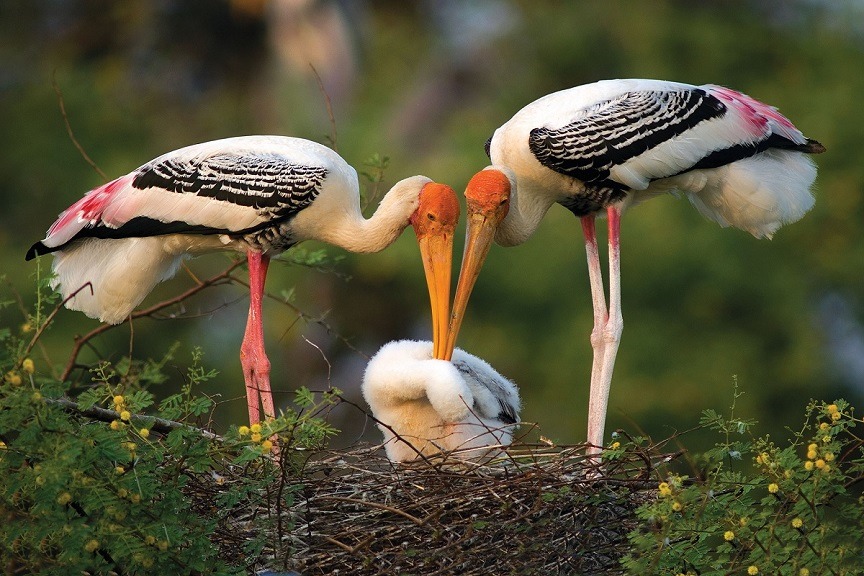
The Bharatpur Bird Sanctuary was the previous name for the Keoladeo Ghana National Park. During the hibernation season, the sanctuary is home to a sizable number of migrating birds. The park was designated a protected area in 1971, and it later appeared on the UNESCO list of World Heritage Sites.

The bird sanctuary is a significant national park in Rajasthan and a man-made wetland. The 379 flower species, 366 bird species, and other creatures all call the bird sanctuary home. One of the world’s richest sites for avian residence is the sanctuary. The sanctuary, which bears the name of the Keoladeo Temple located on its grounds, was established some 250 years ago. One of the top birding locations in the world, the Keoladeo Ghana National Park hosts up to 100,000 people annually.

Sariska National Park, Alwar

The Sariska Tiger Reserve is one of the state of Rajasthan’s most significant national parks and is located in the Alwar district. It was the State of Alwar’s hunting territory. In 1955, the area was designated as a wildlife reserve, and in 1978, Project Tiger was implemented. The Sariska Tiger Reserve’s population of Royal Bengal Tigers is its most alluring characteristic.

Rhesus monkeys, Hanuman langurs, hares, wild boars, chousingha or the four-horned antelope, chinkara, nilgai, sambhar, golden jackals, striped hyenas, caracal, jungle cats, and leopards are just a few of the wild species that call it home. Over 866 square kilometres, the park is located. Additionally, the Sariska Tiger Sanctuary is the first Tiger Reserve in the nation where successful tiger translocation and rehabilitation has taken place.

Jaisalmer’s National Desert Reserve

One of Rajasthan’s most significant national parks, the Desert National Park is located close to the town of Jaisalmer. The national park is one of the biggest in the nation, with an area of 3162 square kilometers. One of the main draws for visitors from around the world is the national park’s distinctive terrain.

The park’s sand dunes make up around 20% of its area. The remainder of the landmark is made up of rocky outcrops, salt lake bottoms, fixed dunes, and intermediate sections. It is a superb illustration of the ecosystem of the desert. The endangered Great Indian Bustard, sand grouse, kestrels, laggar falcons, spotted eagles, tawny eagles, short-toed eagles, vultures, buzzards, falcons, harriers, and eagles are some of the birds that are most frequently seen in the national park. The Sam Sand Dunes, which are close to the Thar Desert, are among the additional attractions close to the Desert National Park.

One of Rajasthan’s most visited tourist destinations is the Gadsisar Sagar Tank. Every winter, a sizable number of migratory birds stop by the lake. Jeep safaris are another option for visitors who want to see more of the region.

Sanctuary for Wildlife in Kumbhalgarh

In Rajasthan’s Rajsamand district is the Kumbhalgarh Wildlife Sanctuary. One of Rajasthan’s most well-known wildlife sanctuaries is the sanctuary. The sanctuary encompasses a 578 sq km area and is located around the Kumbhalgarh Fort. The sanctuary, which is located at a height of 500 to 1300 meters, is home to a wide range of wildlife, some of which are critically endangered species.

Hares, chinkaras, four-horned antelopes, nilgai, sambhar, jungle cats, hyenas, sloth bears, leopards, and wolves are just a few of the creatures that call the sanctuary home. The sanctuary is also teeming with birdlife, and some of the species that are commonly seen here include parakeets, peacocks, doves, white-breasted kingfishers, bulbuls, pigeons, and grey jungle fowl.

The most alluring aspect of the sanctuary is its natural magnificence, Kumbhalgarh. Tourists and visitors from all over the nation and the world are drawn to it by its beautiful splendor. Local tour companies can arrange for visitors to take part in foot tracking and horseback safaris within the sanctuary.

Darrah Sanctuary, Kota

One of Rajasthan’s most visited national parks is the Darrah one. The Darrah Wildlife Sanctuary, the Chambal Wildlife Sanctuary, and the Jaswant Sagar Wildlife Sanctuary are among the three wildlife sanctuaries that make up the organization, which was founded in 2004.

Large tracts of forest that were originally the Maharaja of Kota’s hunting grounds may be found in the national park. In 1955, the sanctuary was formally designated as a protected area. Numerous animals live there, including wolves, wild boars, deer, nilgai, and cheetahs.

Within the sanctuary’s boundaries, there is also a stunning fort. A visit to the fort’s Jenana Khana is recommended due to its exquisite architecture. A tour to the Darrah National Park should also include a stop at the Sun Temple in Jharipatan.

Categories
Uncategorized

25 INCREDIBLE TOURIST Jaipur Sightseeing Tour

Rajasthan is a colourful state, and Jaipur brings a touch of pink to it. This unique location, also referred to as the “Pink City of India,” is perfect for a luxurious vacation. Jaipur, which is brimming with opulence and warmth, is the ideal location for travellers from around the world to delight. Travellers with a variety of interests can pass the time for days enjoying the unique mix of historic and contemporary sights.

The warm and lively Pink city is a great location to learn about Rajasthani heritage and culture. The magnificent forts, palaces, and Havelis that are strewn across the city allow you to relive the rich lives of the Rajputana kings as you stroll through its narrow streets. To experience monarchy and put yourself in the royal shoes of notable monarchs of the past, visit their memorials and museums.

Along with visiting Jaipur’s biggest attractions, like the beautiful Amber Fort, Hawa Mahal, Jaigarh Fort, and Hawa Mahal, you can savour delectable Rajasthani food and shop at the city’s lively bazaars. Embroidered leather shoes, embellished handicrafts, regal blue pottery, dazzling tie-dye scarves, camel hide products, and jazzy handcrafted clothing are all abundant at the markets of Johari Bazar, Bapu Bazar, and MI Road. Also available are thrilling camel safaris in the Thar Desert and immersion in the vibrant Rajasthani culture during festivals like Dhulandi, Teej, and Gangaur.

Top Sightseeing Places to Visit in Jaipur

Jaipur

Those seeking a luxurious vacation and a restorative journey while delving deeply into Indian culture and heritage are drawn to Jaipur. The main attractions in Jaipur include:

1. Amber Fort

11 km away from Jaipur is the fabled Amber Fort, a Rajputana palace dating back seven centuries. It is one of India’s most stunning architectural wonders and a UNESCO World Heritage Site.

The Amber fort, also known as Amer Fort, was built on the Aravalli hills by Raja Man Singh I in 1592 and finished by Mirja Raja Jai Singh. The magnificent stronghold, which was constructed from red, yellow, and white sandstone and white marble, provides a breathtaking perspective of Maota Lake.

The magnificent palace comprises four courtyards and features landmarks like the Sheesh Mahal, Siladevi Temple, Diwan-e-Aam, and Diwan-e-Khas. Suraj Pol and Chand Pol, the palace’s two principal gates, both lead to the Jaleb Chowk, the palace’s central courtyard. To get to the fort entrance, you can either take a car or enjoy an elephant ride. Explore the fort’s history with the stunning light and sound spectacular after spending three to four hours doing so.

2. Jaigarh Fort

Jaigarh Fort was constructed on “Cheel ka Teela,” also known as the Hill of Eagles, to protect the Amber Fort. The fort, which is 500 feet above sea level, has sweeping views of the Amber Fort and its verdant surrounds.

The fort was built in 1726 under the direction of Maharaja Sawai Man Singh II and features an exquisite fusion of Indo-Persian design. The cyclopean walls of the fort are decorated with intricate lattice work windows that provide unhindered views of the surrounding area. You can stroll through the majestic fort made of red sandstone and picture life as it was during the time of the warrior monarchs who once called it home.

The “Jaivana Cannon,” the largest cannon on wheels in the world that has only been fired once, is one of the fort’s main draws. The main observation tower, the water heritage path, Shubhat Niwas (the warriors’ assembly hall), and the armoury are other attractions. The complex is also home to a number of well-known temples, including Vilas Mandir, Lalit Mandir, Aram Mandir, and Kal Bhairav Temple.

3. Nahargarh Fort

The Aravalli Hills’ Nahargarh Fort was constructed to protect the imperial Amber Palace, the home of the Rajput warriors. For 300 years, this magnificent building has commanded a view of the charming city of Jaipur. As a getaway palace for the monarchs and queens, Maharaja Sawai Jai Singh II built it in 1734. Intriguing Indo-European architecture and an illustrious past have drawn visitors from all over the world.

Important historical occurrences of the 18th century were witnessed at the Fort. As you explore the magnificent Sheesh Mahal, the wax museum, the shrine dedicated to the Jaipur Kings, and take pictures close to Jal Mahal, you learn more about the past.

The “Madhavendra Bhawan,” constructed by Sawai Madho Singh, and the temple of Rathore ruler Nahar Singh Bhomia, whose ghost plagued the construction site until the fort was consecrated to him, are other must-see sights.

4. Jantar Mantar

Maharaja Sawai Jai Singh II constructed the astronomical observatory known as Jantar Mantar in the centre of Jaipur between 1728 and 1734. The observatory connected political, social, and religious practises to cosmology and served as a meeting place for scientific civilizations from all over the world.

The largest of the five such structures created in Northern India, it is a UNESCO World Heritage Site. It has enormous stone tools for viewing celestial bodies with the naked eye that have remarkable geometric form combinations. Since the beginning of time, architects, mathematicians, painters, and historians have been drawn to the precision and accuracy of these astronomical instruments.

The observatory also has the largest stone sundial in the world, which manages to draw tourists’ interest to this day while calculating local time. You must visit Jantar Mantar at midday in order to get a good understanding of how planetary movements are discovered through observation and maths, as the instruments’ readings are correct then.

5. City Palace

The City Palace, which is in the centre of the old city, is home to exquisite courtyards, gardens, cenotaphs, and royal structures. The Rajput King Maharaja Sawai Jai Singh II, who founded Jaipur, designed and built it. Later rulers who resided there enlarged it.

The palace is an exquisite fusion of Rajput, Mughal, and European architectural styles that exudes luxury. In a separate area of the palace, members of the previous governing royal family continue to live. Mubarak Mahal, Chandra Mahal, Maharani’s Palace, Maharaja Sawai Man Singh II Museum, and Bhaggi Khana are the palace’s most notable buildings.

The museum displays a rare collection of royal attire, including Pashmina shawls, Benaras silk sarees, and other items from the wardrobe of Maharaja Sawai Madho Singh I. The walls and ceilings of the palace are decorated with Rajput weaponry from the fifteenth century as well as beautifully preserved Rajputana paintings, Sanganeri prints, and folk needlework items.

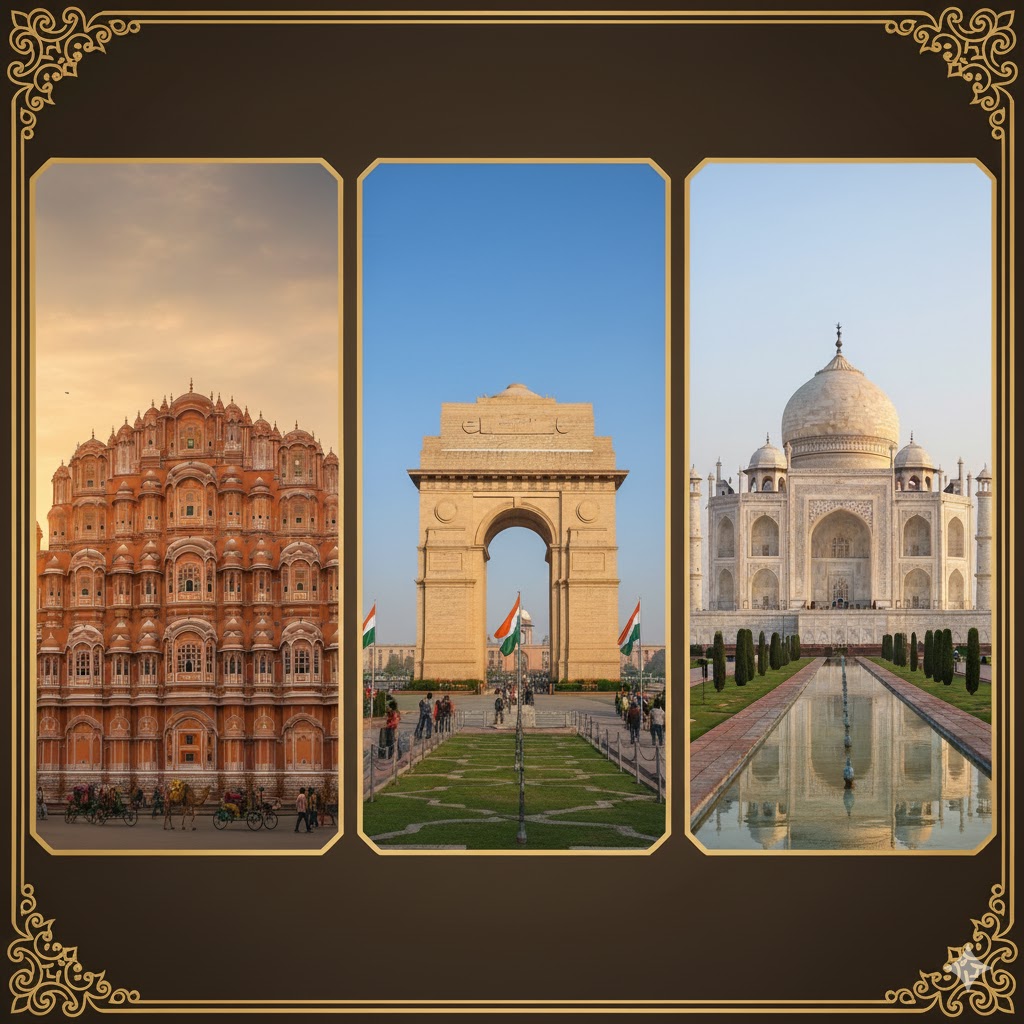
6. Hawa Mahal

The Hawa Mahal, a 200-year-old monument in the middle of the city, is the most recognisable feature in Jaipur. The five-story palace, known for its distinctive honeycomb shape and Indo-Islamic architecture, contains 953 lattice work windows. It was constructed in 1799 as a summer palace by Maharaja Sawai Pratap Singh and was pink in colour with floral decorations, dome-shaped arches, and patterned pillars.

The City Palace, Jantar Mantar, and Sireh Deori Bazaar can all be seen clearly from the palace. The royal ladies were able to enjoy royal processions and regular market activities on the street without being seen by the general public because to the finely crafted windows, known as “Jharokhas.”

The Sharad Mandir, the first floor, was used for royal festivities; the Ratan Mandir, the second floor, was adorned with vibrant glass work; the other two floors were known as Vichitra Mandir and Hawa Mandir. On each side of the top level, known as Prakash Mandir, there was an open terrace with stunning city views. The paintings and ceremonial armour on display at the complex’s museum let visitors appreciate the depth of Rajputana culture while seeing their daily lives through the fretwork windows.

7. Birla Mandir/Laxmi Narayan Temple

The Laxmi Narayan Temple, also known as the Birla Mandir, was constructed in 1988 by the B.M. Birla Foundation and is situated at the base of Moti Doongri. The Maharaja of Jaipur donated land for the temple in exchange for a token payment of one rupee. Birla Mandir is well known for its exquisite architecture created from pure white marble.

The temple, which is dedicated to Laxmi (the goddess of riches) and Narayan (Lord Vishnu), contains hand-sculpted marble idols of the gods. The Laxmi Narayan temple, like the other Birla temples spread throughout the nation, represents the diversity and richness of Indian culture as well as Hinduism’s all-encompassing outlook.

Its three-dome structure serves as a symbol of India’s commitment to religious pluralism. The domes, ceilings, and walls of the temple are decorated with elaborate patterns and carvings inspired by mythology. The presence of monuments of revered religious leaders and intellectuals from all over the world symbolises the inclusivity of contemporary Indian culture.

The temple’s elegant architectural design is complemented by the beautiful green grounds, which also bring peace to the spiritual ambiance. Visitors from a wide range of religious backgrounds go to the temple to admire its captivating beauty.

8. Moti Doongri Ganesh Temple

One of the most respected Ganesh temples in Jaipur is the Moti Doongri Ganesh Temple. Seth Jai Ram Paliwal and Mahant Shiv Narain constructed it in 1761.

The narrative of the King of Mewar riding back to his palace on a bullock cart pulling a huge idol of Lord Ganesh is what the locals relate it to. According to the legend, the king made the decision to construct a temple at the bullock cart’s initial stop. According to locals, the temple was built on the site where the bullock cart stopped at the foot of Moti Doongri Hill.

For the son of Maharaja Madho Singh, an extravagant mansion was erected on the grounds around the temple. Maharaja Sawai Man Singh lived in the palace, which resembles a Scottish castle from the outside. As the royal family still resides there, you can seek blessings at the Ganesh Temple and marvel at the palace’s exteriors.

9. Govind Dev Ji Temple

One of Vrindavan Thakur Ji’s seven famous temples is the Govind Dev Ji Temple in Jaipur. It is well known among Lord Krishna devotees and is situated within the City Palace complex. The temple’s exteriors and ceilings are artistically designed and covered with gold.

The idol of Govind Dev Ji, also referred to as “Bajrakrit,” is kept in the shrine. It was created by his great-grandson Bajranabh and is said to resemble Lord Krishna. Raja Sawai Jai Singh, a follower of Lord Krishna, carried the 5000-year-old idol from Vrindavan to Jaipur.

To allow the pious king to see the idol from his home, the temple was erected in the compound between Chandra Mahal and Badal Mahal. ‘Aartis’ and ‘Prasad’ or ‘Bhogs’ are currently served seven times during the day. To take in the festivities of the festival, you can schedule your trip to the temple around Janmashtami.

10. Ram Niwas Garden

Ram Niwas Garden is a royal garden that is situated in the centre of the pink city. In 1868, Maharaja Sawai Ram Singh constructed it. It draws visitors from all around the world thanks to its 30 acres of property. The fountain-adorned, lush green garden exudes a majestic atmosphere. Since the British era, both people and visitors have flocked there.

Additionally, visitors can go bird watching or attend exhibitions organised in the park. Additionally, the park has a zoo, a theatre, and an art gallery that draw a diverse range of visitors. After a long day of shopping in the nearby Bapu Bazaar, you may unwind at the park or simply revitalise by going on a family picnic. Along with the peaceful ambiance, the park is surrounded by charming cafes that sell mouthwatering Rajasthani food.

11. Chokhi Dhani

A resort with a Rajasthani motif called Chokhi Dhani is situated 28 kilometres from the city. It was founded in 1989 to provide visitors a taste of the simple village life and real Rajasthani lifestyle. The resort offers a classic feel to it with its mud huts adorned with ethnic designs, Rajasthani folk entertainers entertaining the guests with singing and dancing, and real Rajasthani cuisine.

The resort’s evenings are lively and enjoyable. Live folk song and dance performances (Chaupal Nach Gan Re), acrobatics (Nat Ro Kartab), puppet performances (Kathputali Ro Nach), and magic performances (Jadu Ro Khel) are among the entertainment options. At the artisan fair, you may browse local products and enjoy leisurely rides on camels, ponies, and elephants.

Chokhi Dhani has been recognised by the Ministry of Tourism as a 5-star luxury hotel. The resort’s Royal Cottages and Haveli Suites have regal décor made up of historical artefacts, antique furniture, and handmade objects for guests who want to indulge in Rajasthan’s royal culture.

12. Jal Mahal

One of Jaipur’s most well-known landmarks is the Jal Mahal, which is 4 kilometres outside the city centre. Maharaja Madho Singh constructed it around 1750 as a hunting lodge. The palace’s five-story, symmetrical building is situated in the centre of Man Sagar Lake, a man-made body of water.

Numerous people from all over the world are attracted by the mesmerising vista of the stunning palace against the backdrop of the Aravalli hills and its reflection in the tranquil lake waters. The Jal Mahal is acknowledged as India’s most photographed building.

A boat ride on the lake allows you to view the palace’s magnificence even though admission is restricted. The lake is a great place to spend a relaxing evening watching local and migrating birds. On your journey to the Amber Fort, stop by Jal Mahal, a magnificent structure that is situated on the major Amer-Jaipur road.

13. Sisodia Rani ka Bagh

Sisodia Rani ka Bagh is a garden created by Maharaja Sawai Jai Singh in 1728 and honours his loving second wife, the Princess of the Sisodia Rajput clan of Udaipur. The beautiful gardens, which are just 10 kilometres from Jaipur, provide a restorative escape from the busy metropolis.

The garden features Indo-Mughal architectural features including water channels surrounded by lovely flowerbeds and walking paths around the parks. The park is embellished with fountains and natural springs, and a Hindu deity shrine adds a touch of mysticism to the atmosphere. Several scenes from the Lord Krishna and Radha narrative are painted on the garden’s walls. Spend a day in the great outdoors and relax in the serene atmosphere of the park.

14. Vidyadhar Garden

In 1988, Vidyadhar Garden, a memorial to Jaipur’s principal architect, was constructed. In the court of Maharaja Sawai Jai Singh, Vidyadhar Bhattacharya was a highly esteemed architect. He was skilled at using the ‘Shilpa Shastra’, or Hindu architectural principles.

The Rajasthan government looks after Vidyadhar Garden, which is located around 8 kilometres from Jaipur on the Jaipur-Agra route and away from the hubbub of the city. The garden’s architecture is a fusion of traditional Indian and Mughal styles, with hints of Hindu mythology shown in murals on pavilion walls.

The verdant gardens, which contain lovely flowerbeds, terraced lawns, and fountains with Mughal-inspired designs, are the ideal location for a picnic. You may unwind in the midst of nature while spending time in the garden viewing peacocks and other migratory birds. The complex’s contemporary restaurant offers opulent Rajasthani dishes as well as quick nibbles.

15. Albert Hall Museum

The greatest way to learn about Jaipur’s rich legacy and historical journey is to visit its museums. The city’s most well-known museums, like the Albert Hall Museum, are known for their distinctive architecture. It was constructed in 1876 as a music hall, and the Victoria and Albert Museum in London can clearly be seen in its architecture.

The Prince of Wales lay the cornerstone for the building in Jaipur in 1876, and the city’s Maharaja Sawai Madho Singh II converted it into a museum in 1881. Red sandstone was used to create the lovely Indo-Saracenic dome structure with delicately etched arches.

16 galleries at this museum allow you to study Rajasthani culture. The museum’s collection includes paintings, portraits, rugs, musical instruments, jewellery, firearms, woodwork, brassware, antique coins, regional pottery, handicrafts, and sculptures. An aviary, a greenhouse, and a zoo are some of the complex’s additional points of interest.

16. Galtaji Temple

Diwan Rao Kriparam constructed the famed Hindu shrine known as Galtaji Temple in the 18th century and it is dedicated to Saint Galav. The temple, which was built in a mysterious setting in the Aravalli hills some 10 km outside of the city, attracts visitors of all stripes.

Around the Galtaji Temple, there are a number of shrines dedicated to the Hindu deities Lord Rama, Lord Krishna, and Lord Hanuman. The grand temple constructed in pink sandstone and intended as a palace is charmingly embellished with holy kunds, pavilions, and natural springs.

Seven holy “kunds,” or water reservoirs, in the temple complex receive water from natural freshwater springs in the Aravalli highlands. The ‘Galta Kund’, which is regarded as the most sacred of all kunds, is said to be filled with water throughout the year. The respectful water that comes from the “Gaumukh,” a rock in the shape of a cow’s head, fills the tanks while pilgrims take a soak in it. The magnificence of the temple in its stunning natural surroundings offers for the ideal photo opportunity.

17. Swargsuli Tower

The tallest tower in Jaipur, Swargsuli Tower or SargaSuli, was constructed in 1749 to honour Maharaja Sawai Ishwari Singh’s victory at the Battle of Rajmahal. The 140-foot tower, which can be found near the Aatish market, was created by royal craftsman Ganesh Khowan by combining parts from Chittorgarh’s Kirti Stambh and Delhi’s Qutub Minar.

The tower stood out against the pink colour of the rest of the city thanks to its contrast of yellow. The seven-story minaret provides stunning 360-degree views of Jaipur. 264 stairs will take you to the top level, where you may take in the breathtaking view of Jaipur.

18. Jawahar Kala Kendra

The heart of Jaipur is home to the arts and crafts facility known as Jawahar Kala Kendra. According to the scheme created by Charles Correa based on the Indian architectural principles of Vaastu and Shilpa Shastra, construction work was started in 1986. The centre was opened by the state government in 1991 and dedicated to Pandit Jawahar Lal Nehru, the country’s first prime minister.

The Jawahar Kala Kendra upholds the spiritual and cultural values of Rajasthan. The monument made of red sandstone honours the late Indian prime minister Jawaharlal Nehru. To learn more about India’s rich cultural past, stop by the library, the theatre, the galleries, and the auditoriums.

19. Sheesh Mahal

In the Amber Fort compound is where you’ll find Sheesh Mahal. It is frequently referred to as “The Palace of Mirrors” and has drawn numerous visitors from all over the world. The lavish palace, which Maharaja Man Singh built in 1727, includes elaborate precious stone and mirror work on its walls and ceilings.

The odd mirror configuration brightens the entire space with a single ray of light. You may see the beautiful mirror work and be in awe of the designers’ and architects’ skill back then.

20. The Anokhi Museum of Hand Printing

Anokhi Museum of Hand Printing, a one-of-a-kind museum located barely one km from Amber Fort, is devoted to the age-old Rajasthani craft of hand-block printing. The goal of it was to continue the long-standing practise of carving designs onto wooden blocks and printing them onto textiles.

The Chanwar Palki Walon ki Haveli, a 400-year-old two-story haveli that has been renovated to preserve the art of hand printing with natural dyes, serves as the headquarters of the philanthropic organisation. In 2000, UNESCO recognised the project with a “Cultural Heritage Conservation” award.

You may experience the traditional tradition in its entirety and observe the tools and processes used to make the blocks and textiles with modern designs. The administration also offers workshops in block carving and hand printing upon request. The museum’s gift shop sells handcrafted ‘Anokhi’ items like clothing, furniture, jewellery, and playing cards.

21. Elefun

Elefun is a sanctuary for elephants with a focus on the protection of the species. The facility, which opened in 2013, is run by a family of mahouts (elephant carers). The location offers guests engaging opportunities to engage with animals while providing elephants with natural living conditions.

In order to give the elephants at the sanctuary a loving and natural home, several of them have been rescued from zoos and circuses. You can engage in entertaining activities including strolling, feeding, bathing, and conversing with elephants. Natural hues and conventional designs can also be used to adorn an elephant. A nice site to visit with family and children is Elefun.

22. Khole Ke Hanuman Ji Temple

Hindu temple Khole Ke Hanuman Ji Temple was built by Pandit Radhe Lal Choubey in 1960 and is devoted to Lord Hanuman. The temple, which is at Lakshman Dungri on the Delhi Bypass in Jaipur, offers sweeping vistas of the serene and lush environs.

After Pt. Choubey discovered a rock with a carving of Lord Hanuman and began praying there, the Khole Ke Hanuman Ji temple was constructed. At that location, he erected a modest temple, which was subsequently progressively developed to its present size. The temple is greatly revered by the people, and on Tuesdays and Saturdays, it is crowded with believers. Traditional offerings like Dal-Bati Churma and Swamani Prashads are made with raw materials provided by devotees.

23. Museum of Maharaja Sawai Man Singh II

A section of the City Palace built by Maharaja Sawai Jai Singh II was transformed into a museum known as the City Palace Museum by Maharaja Sawai Man Singh II in 1959. Later, the museum acquired a number of additional palace wing additions, and its name was changed to Maharaja Sawai Man Singh II Museum.

The Textile Gallery, Sarvatobhadra, Sabha Niwas, Sileh Khana, and the Painting & Photography Gallery are its five gallery divisions. The Museum features regal attire, furnishings, and artefacts from the last three centuries. Your curiosity about the regal lifestyle of the Jaipur monarchs and the illustrious Rajputana heritage will be sated by a stroll through the museum’s exhibits.

Traditional artwork and royal family portraits are also on display. The warrior clan’s arsenal of weapons and armour consists of arrows, axes, shields, spears, daggers, and guns. At the City Palace Complex’s Baradari restaurant, you may eat royal delights and purchase mementos at the Palace Atelier museum store.

24. Johari Bazaar

Rajasthan’s commercial centre, Jaipur, is well-known for its handicrafts and locally produced goods. The oldest and most vibrant market in Jaipur is Johari Bazaar, which is close to the Hawa Mahal. A shopper’s paradise, it offers colourful handmade goods, delectable regional cuisine, and exquisite Kundan jewellery.

Genuine Jaipuri jewellery fashioned of gold and silver and set with diamonds, emeralds, and rubies is available for purchase. The market’s winding aisles are crammed with vibrant traditional clothing, embroidered juttis, and iridescent lehengas.

Famous Jaipuri textiles, traditional blue pottery, cotton blankets, and home décor items are all available for purchase at the tiny stalls. Make careful to haggle hard because prices are frequently increased for tourists.

25. Bapu Bazaar

Between Jaipur’s Sanganer Gate and New Gate is where you’ll find Bapu Bazaar. It is one of Pink City’s most well-known markets and the ideal location to get everything Rajasthani. Shoppers from all over the world are drawn to the vibrant market.

Genuine camel-hide mojari footwear, lac bangles, bandhani dupattas, leheriya sarees, potli purses, vibrant puppets, ethnic jewellery, luxurious cotton blankets, and handmade textiles are all available for purchase at affordable costs. As gifts for your loved ones and as mementos, you can purchase stunning showpieces, artefacts, ornaments, pen stands, and keychains with mirror work.

Authentic foods and regional delicacies like chat, samosas, dal-baati-churma, masala chai, and pyaaz kachori should not be missed. Bapu market is known for its delicious falooda kulfi, which will keep you cool while you shop.
Categories
Uncategorized

Rajasthan Bird Watching Tours

Rajasthan Birding Tours – Explore the Desert, Hills & Rare Species

Our Rajasthan Bird Watching Tours is an experience complete in itself. We cover both the desert and hilly regions, the dry and wet parts of the north western state of Rajasthan to help you see some of the rarest and highly sought-after resident and migratory birds of the Indian subcontinent.

While it is very difficult to ascertain which are “top 10 birding destinations or places in Rajasthan” or in any state, country for that matter, still, it is good to have a list of birding sites, or bird watching places where other bird watchers have visited and had been happy about it!

Top Bird Watching Destinations in Rajasthan for Nature Lovers

The largest Indian state in terms of area, Rajasthan is a land of contrasting geographies. The Aravalli mountain range cuts the state diagonally from southwest to northeast in a roughly 60-40 ratio, the larger portion being the arid desert scrubland to the west and the smaller being the fertile plains to the east.

These diverse ecosystems – desert, hills, and plains – are home to about 633 species of resident and migratory birds that can be spotted in national parks, wildlife sanctuaries, and other natural habitats like forests, grasslands, lakes, and rivers, thereby making Rajasthan a prime location for anyone looking for the best birding tours of India.

A Complete Guide to Birding in Rajasthan – Best Spots & Rare Sightings

Rajasthan’s Bird Diversity

  • The state has 5 national parks and 25 wildlife sanctuaries.
  • Home to a rich variety of resident and migratory birds.
  • Rare birds you can spot on a smartly planned trip include:
    • Great Indian Bustard (state bird of Rajasthan)
    • Stoliczka’s Bushchat
    • White-bellied Minivet
    • Lesser Adjutant Stork
    • Indian Spotted Creeper
    • Green Avadavat
    • Sykes’s Nightjar
    • Painted Sandgrouse
    • White-naped Tit
    • Lesser Florican

Bird Watching Locations in Rajasthan

  • Some locations are best in winter for migratory birds.
  • Others offer year-round birding opportunities.
  • Wildlife you may also spot:
    • Royal Bengal Tiger
    • Panther
    • Sloth Bear

Tour Planning Tips

  • Plan a well-designed itinerary for best results.
  • Cover a mix of desert, wetland, forest, and hilly areas.
  • Opt for a guided birding tour to increase chances of rare sightings.
  • Choose locations that combine birding with other tourist attractions.
Categories
Uncategorized

Experience Jaipur with Comfort and Style

Picture yourself walking through the forts, bazaars, and palaces of Jaipur at your own pace and in your own comfortable vehicle. That’s what a car rental provides to you in Jaipur. If you are traveling alone or as a family, or if you are traveling for business, having a car allows you freedom, flexibility, and comfort. This booklet will provide you with new perspectives, thoughtful suggestions, and a systematic approach to travel that helps make Colour Tour India the best cab service in Jaipur and the best luxury car hire in Jaipur and completes our 24/7 taxi service through our taxi service in Jaipur contact number.

Why Rent a Car When You are in Jaipur

  1. Freedom of Locals: You don’t have to fight through crowds on a bus or negotiate with drivers. You go where you want, when you want.
  2. Climate: If you’re visiting during the hot season, you’ll appreciate getting from point A to point B comfortably by a/c car rather than sweating your way to sites in the Pink City.
  3. Travel On Your Timeline: If you want to spend longer in Amber Fort or duck into a speakeasy, you can without worry.
  4. Be Travel Smart: Renting a car together as a group is probably cheaper and faster than waiting for taxis and arranging money.

What Distinguishes Colour Tour India

Colour Tour India makes standard car rental services in Jaipur special with significant extras:

  1. A personalized welcome using our taxi service in Jaipur contact number – just a call away.
  2. Stylish options: choose from economical hatchbacks to stunning luxury car hire in Jaipur.
  3. Up-to-the-minute updates on your ride, low pricing, and nice local guides.
  4. Customizable routes based on what you want to see – whether that be ancient sights, shopping, or food!

How to Optimize your Tour

Here are a few strategies for having a flawless experience with Colour Tour India in Jaipur:

  1. Smart planning: Plan for early starts to avoid congestion times, especially in the markets.
  2. Riding style: A hatchback is perfectly well-suited for a solo or couple-type trip; Depending on comfort or the occasion, larger sized SUVs or luxury sedans may give you a zone-out comfort on a long drive, particular time of special importance, or particular occasion.
  3. Let us help: Simply tell us your interests and we can include peaceable detours e.g. havelis hidden in the jungle.
  4. Pin-pointed Directions: You are guided by the best GPS and ground knowledge to skip over sleepy jams and picturesque bottlenecks.
  5. Stay connected: Drivers will advise you timely so you are always aware of travel or detours.

The Things Locals Typically Overlook (But Not Us)

  1. Safer roads after dark: Our vehicles are outfitted for lighting and driver experiences for nighttime drivers.
  2. Cleanliness is key: We maintain our fleet with care. Every ride has spotless interior for cleanliness.
  3. A call for support: You have one contact (taxi service in jaipur contact number).
  4. Weather aware rides: Each ride can provide AC and music to help you stay comfortable.
  5. Extras for the longer term: Cars for multi-day rentals offer you some extras like bottled water and “our parking.”

A Day with Colour Tour India

Envision this: You are picked up in a luxury SUV. Post driver check-in, you go to Amber Fort then to capture a spot at a lovely café. You then stroll Edwardian-style lanes, stepping at the next business, a boutique mining—”want to check out a far-off stepwell?” Done. Every turn you feel special; even new to the road, you are treated like a friend who has been here forever.

Summary

Car rental services in Jaipur open up the best kind of travel experience—where you control the pace, comfort and explore more. Colour Tour India brings you the magic of convenience and customization, whether it’s cab services in Jaipur, luxury car rent in Jaipur or if you’re hitting up the taxi service in Jaipur contact number for help booking your transportation. Experience the Pink City your way…smooth, safe and memorable! With a dependable car, the journey will be the best part of your trip, not just arriving at your destination.

Frequently Asked Question

1. Why should I choose car rental service in Jaipur?

Ans. With car rental services in Jaipur, it offers ease of use, flexibility, and canease the hassle of making arrangements to getting to attractions.

2. Do cab services in Jaipur offer service for outstation trips?

3. What are the advantages of luxury car hire in Jaipur?

4. Can I get luxury car rent in Jaipur for 1 day?

5. How can I find a taxi service in Jaipur contact number quickly?

Categories
Uncategorized

Rajasthan Heritage Tour: Top Tips & 7-Day Itinerary

Picture yourself in a land of mighty forts, sparkling lakes, and goings-on at bazaars where at every turn there are whispers of kings and queens as you experience the Rajasthan Heritage Tour. This blog will provide you with everything you need to know about planning your trip, from Rajasthan Heritage Tour Packages to cultural highlights, costs, and useful hints. Whether you are looking for a royal, exquisite experience or a budget cultural experience, Rajasthan has a lot to offer.

Why a Rajasthan Heritage Tour?

Rajasthan is certainly no ordinary travel destination; it is a living museum of India’s royal past. Here are a few reasons to give this tour consideration:

  • Royal history: Home to six UNESCO World Heritage forts, including Chittorgarh and Kumbhalgarh. Each fort possesses unique architecture and deep history.
  • Intriguing experiences: Rich, vibrant cities to explore like Jaipur, desert forts in Jaisalmer, or just spend time gazing at beautiful lakes in Udaipur.
  • Rich culture: From folk dancing and soulful music to exquisite handicrafts such as block printing in Samode, the Rajasthan experience will remind you that amid all the color and diverse landscapes, this is truly a one-of-a-kind culture.

7-Days Rajasthan Heritage Tour Packages Summary

Day-Wise Highlights:

  • Jaipur (Days 1-2): Explore places like Amber Fort, City Palace, Hawa Mahal, and enjoy shopping in the colourful bazars.
  • Jodhpur (Days 3-4): See Mehrangarh Fort, Umaid Bhawan Palace, and experience rural life in the Bishnoi village.
  • Udaipur (Day 5): Visit City Palace, boat ride on Lake Pichola, and visit the Arna Jharna folk museum.
  • Chittorgarh/Kumbhalgarh (Day 6): Walk in the fgreat fort wall and feel the warrior stories of Rajputana bravery.
  • Luxury Ends on a High (Day 7): Finish your trip with a heritage train ride, called Palace on Wheels.

Price Policy: Most Rajasthan tour packages for 7 days have prices that are anywhere between INR 30,000 to 60,000, depending on accommodation and inclusions.

Rajasthan Cultural Tours – What to expect:

  • Festivals: You can experience the Mewar Festival (in Udaipur), the Desert Festival (in Jaisalmer), or the Camel Festival (in Bikaner).
  • Village Visits: You can live like an eco-aware citizen living in the Bishnoi, samode craftsmanship, or the charming Khimsar desert.
  • Art & Crafts: Watch artisans create their art from block print and pottery to traditional handmade jewelry.

Effective Advice to Make the Most of Your 7-Day Tour

  • Best Time to Visit: November to February for ideal weather.
  • Book Heritage Hotels Early: Stay in a place like Fort Madhogarh for a true royal experience.
  • Plan a Well-Balanced Itinerary: Incorporate sightseeing and relaxation to avoid fatigue.
  • Utilize Local Guides: They can provide a wealth of hidden stories and history.
  • Pack Wisely: Light clothing, walking shoes, and sunscreen.

Quick Facts (Great for Featured Snippets)

  • Rajasthan has more forts and palaces than any other state in India.
  • Six of this fort’s forts, including Amer Fort and Jaisalmer Fort, are UNESCO World Heritage Sites.
  • Heritage hotels such as Samode Palace and Fort Madhogarh boast architecture over 300 years old.

Summary

The Rajasthan Heritage Tour is more than a visit, but a dive into generations of royal heritage, culture and tradition. There are so many Rajasthan Heritage Tour Packages from which to create an individual journey based on your style and budget.

Frequently Asked Question (FAQ)

Q1: What is the itinerary duration for Rajasthan heritage tour?

Ans: 7-10 days is great itinerary duration to cover the main cities and famous forts comfortably.

Q2: What can you expect to pay for a Rajasthan Heritage Tour Package?

Ans: Most packages for 7 declared days will be in the range of INR 30,000 to 60,000 per person, which would depend on hotel category and itinerary specified.

Q3: What do Rajasthan cultural tours include?

Ans: Cultural tours usually include village visits, craft workshops, local folk performances and even participation in festivals.

Q4: What are the best heritage hotels in Rajasthan?

Ans: Some of the best heritage hotels in Rajasthan include Samode Palace, Fort Madhogarh, and Umaid Bhawan Palace.

Q5: Which is the best Rajasthan Heritage Tour Package for me?

Ans: Include your budget, the cities of interest, months of travel plan, and if you want to focus on culture or luxury.

Q6: What is the best time of year for Rajasthan’s cultural festivals?

Ans: October to March is the best time to travel to experience Rajasthan’s cultural festivals. The major festivals include Pushkar Camel Fair, Desert Festival, and Mewar Festival.

Q7: Is Rajasthan Heritage Tour suitable for families with kids?

Ans: Yes, kids love forts, puppet shows, camel rides, and cultural experiences that are interactive and fun.

WhatsApp Icon