Categories
Uncategorized

Best Travel Quotes about India

Best Travel Quotes about India

India is a fantastic country and there are few places where every corner has a story to tell. Colorful festivals, ancient traditions, peaceful mountains, bustling streets and spicy food have captivated travelers for centuries. This is why so many authors, writers, and explorers have conveyed their feelings through best travel quotes about India. Travel quotes are not only words, but they helped to capture the emotion that sums up the magic of this country.

In this article, we will look at some of the most famous quotes about India travel, what they mean, and why they inspire travel around the world.

Why India Travels Quotes Inspire

India is often described as a land of contrasts. One side has modern skyscrapers and the other side has temples that are hundreds of years old. The mixture of ancient and modern India sets this country apart.

Travel quotes about India are so popular because:

  • Cultural Diversity – Every state has its own food, culture, and traditions.
  • Historical Heritage – From the Taj Mahal to ancient forts and palaces, India is filled with history.
  • Natural Beauty – Beaches, deserts, forests and snow-capped mountains all exist here.
  • Spiritual experiences- Yoga, meditation, and endless spiritual centres are found in India.

Famous Travel Quotes about India

Here are a few more short travel quotes about India that describe the country so well:

  1. “India is not a country but a home of a thousand different worlds.”

This beautiful quote about India so perfectly describes every state being a different world with its own unique experiences.

  1. “Every day is a festival in India.”

From Diwali to Holi, life is truly colorful and full of joy.

  1. “This is India: you will learn to live with smile about it.”

Even in the very chaos of marketplaces and the intense traffic, you will find peace and kindness.

  1. “India is where the past meets the present.”

It is not uncommon to have a mall next to a temple or have people simultaneously respect tradition as well as modernism.

  1. “To know India is not to visit India; it is to feel India.”

India is more than just a destination. You will leave this country with a feeling that lasts a lifetime.

What We Can Learn From These Quotes

Travel quotes aren’t just pretty words, they provide life lessons too.  So, what do these quotes about travelling in India teach us,

  • Unity in Diversity – There are so many cultures living together.
  • Joy in Simplicity – Happiness can be found in simple living.
  • Respect for Traditions – Old traditions coexist with modern lifestyles.
  • Hospitality – “Atithi Devo Bhava” (Guest is God) is not just a saying, it’s a way of life.

Highlights in India As A Travel Destination

If you plan to visit. Remember these quick points:

  • India has 29 states with unique traditions.
  • There are 36 UNESCO World Heritage Sites in India from the Taj Mahal, Ajanta Caves, to the Qutub Minar.
  • Known as the Land of Spices, India is famous for its food worldwide.
  • The Himalayas lure trekkers and adventurers.
  • India is one of the best spots in the world for yoga and meditation retreats.
  • Major festivals like Diwali, Holi, Eid, and Christmas create vibrancy in the country all year round.

Reasons Travel Quotes About India Are Popular

Even to this day, people enjoy sharing quotes about traveling in India on their blogs, social media, and travel diaries. They are Best Travel Quotes about India popular because:

  • They convey feelings that pictures sometimes cannot.
  • They excite and inspire new travelers to travel in India.
  • They connect people by expressing shared sentiment about the country.

Conclusion

India is not just a location on a map and is an experience you will never forget. The best travel quotes about India have shown us that this land is filled with colors, feelings, and stories that will never fade. Whether you come from the quietest of villages to the busy city, crave spicy food or spiritual calm, there is something for you to explore in India.

So whether you are reading inspirational quotes about traveling in India for motivation or finding a quote about Indian culture and travel to share on social media, remember this; India is not just a country you visit, it is a place you feel.
Categories
Uncategorized

National Parks in India

National Parks in India: Your Complete Guide for Wildlife, Safaris & Family Trips

India encompasses biodiversity with respect to landscapes (from snow-clad Himalayas to dense forests) and wildlife like few other destinations on Earth. Every part of India has biodiversity and discovering this biodiverse treasure through India’s national parks is one of the best ways to really enjoy it. Whether you are a wildlife enthusiast, an adventurer, or just interested in a family trip to a national park, you will find something beautiful and special at national parks in India.

This article will discuss which national parks may be best to visit in India, tips for taking wildlife safaris, family-friendly parks, national parks to see off the beaten path, and how to plan your national park trip like a pro.

Top 5 National Parks to Visit in India

India is home to more than 100 parks and national parks, which can be very overwhelming when deciding on where to visit. Out of these parks, some are totally iconic and are recognized for its beauty and wildlife.

  • Jim Corbett National Park (Uttarakhand)—India’s first national park and best-known for Bengal tigers and stunning landscapes.
  • Ranthambore National Park (Rajasthan)—Best known for exciting tiger sightings and ancient fort ruins that help the park stand out.
  • Kaziranga National Park (Assam)—A UNESCO World Heritage Site; it is home to the one-horned rhinoceros and is known for nature lovers from around the world to enjoy.
  • Gir National Park (Gujarat)—The only place in the world where you can enjoy viewing the Asiatic lion in its natural habitat.
  • Sundarbans National Park (West Bengal)—The only mangrove forest in the world and the home to the elusive Royal Bengal Tiger.

These parks are definitely among the best places to visit in India when it comes to wildlife enthusiasts.

Safaris in national parks in India

If you have ever pictured yourself catching a glimpse of a tiger in the wild, or watching elephants having the time of their lives playing and bathing in a river, then you will want to consider making the national parks in India wildlife safari experience one of your bucket list items. Safari’s are usually done in open 4×4 style vehicles, or canters with a guide helping you to identify and spot wildlife once you start a safari.

The most popular destinations for a safari in India include:

  • Bandhavgarh National Park (Madhya Pradesh) – where there is one of the highest densities of tigers.
  • Kanha National Park (Madhya Pradesh) – which is the inspiration of Kipling’s The Jungle Book.
  • Periyar National Park (Kerala) – which offers something special in terms of boat safaris, where you can be out in a boat and therefore close to wildlife around the lake.

The safari experience in India is not only about tigers, although that will certainly be one of your objectives. You may come across leopards, elephants, deer, wild boar, crocodiles and hundreds of species of birds, as well as other wildlife.

How to Plan Trip to National Parks in India

Before you pack your bags, it is helpful to understand how to plan the trip to national parks in India correctly. Here are some good tips below:

  • Right Season – Most parks usually remain open from October to June; and summer is the best time to experience wildlife sightings given animals come to the waterholes.
  • Book Safaris in Advance – Bookings are available online for popular parks, and slots fill quick in the busy seasons.
  • Know Your Zone – National Parks like Ranthambore and Jim Corbett have more than one zones. Read which zones give you the higher chances of sightings.
  • Pack Smart – Bring your best binoculars, calm clothes, insect spray and a quality camera.
  • Respect the Laws – Don’t litter, Do not feed the animals, and keep quiet on safaris.

Planning can lead to a smooth and easy trip for you and your family.

In Conclusion

Visiting national parks in India is only just a holiday but an experience of discover into nature. From exciting wildlife safaris to family campsites and even off-road destinations, national parks in India embrace each type of traveler. With a small amount of planning, each visit to the national parks in India can be fun, safe and unique.

Categories
Uncategorized

Royal Luxury Tour in India

12 days and 11 nights

First day: Delhi

Arrival at the Delhi Airport or Railway Station; transportation to the hotel; check-in; and spend the night
there.

Second Day: Agra – Delhi

Drive to Agra after a leisurely morning. Transfer to the appropriate hotel after arriving in Agra and check-in at
the hotel. Visit some of Agra’s well-known artistic and cultural attractions in the evening, if time allows.
Overnight stay at Hotel.

Third Day: Ranthambore – Agra

Visit the grandiose landmark Taj Mahal in the morning around sunrise. Visit the Taj Mahal, one of the Seven
Wonders of the World, to see the finest examples of Indian architecture. One of the most stunning structures in
the entire world, the Taj Mahal is well-deserving of its fame. Visit the magnificent Agra Fort after breakfast.
After then, keep driving until you reach Ranthambore. One of India’s premier tiger reserves, Ranthambore is
regarded as the best location to see tigers in their natural habitat. When you get to Ranthambore, check into a
hotel or resort. Dinner and a hotel or resort stay.

Fourth Day: Ranthambore Jungle Safari

Prepare early to board the Jeep/Canter for the morning jungle safari; once the safari is over, return to the
hotel and have breakfast; then, enjoy your free time participating in leisure activities like swimming,
sunbathing, strolling, etc. Prepare for your afternoon Jeep or Canter safari after lunch, according on
availability. Spend the night in a hotel.

Fifth Day: Jaipur – Ranthambore

Prepare early to board the Jeep/Canter for the morning jungle safari; once the safari is over, return to your
accommodation and have breakfast before driving to Jaipur, the “Pink City.” Arrival and hotel check-in in
Jaipur. Dinner and a hotel or resort stay.

Sixth Day: Jaipur: Sightseeing in Jaipur

Drive to Jaipur for sightseeing after breakfast; stop at the Hawa Mahal or the Palace of Winds. The royal palace
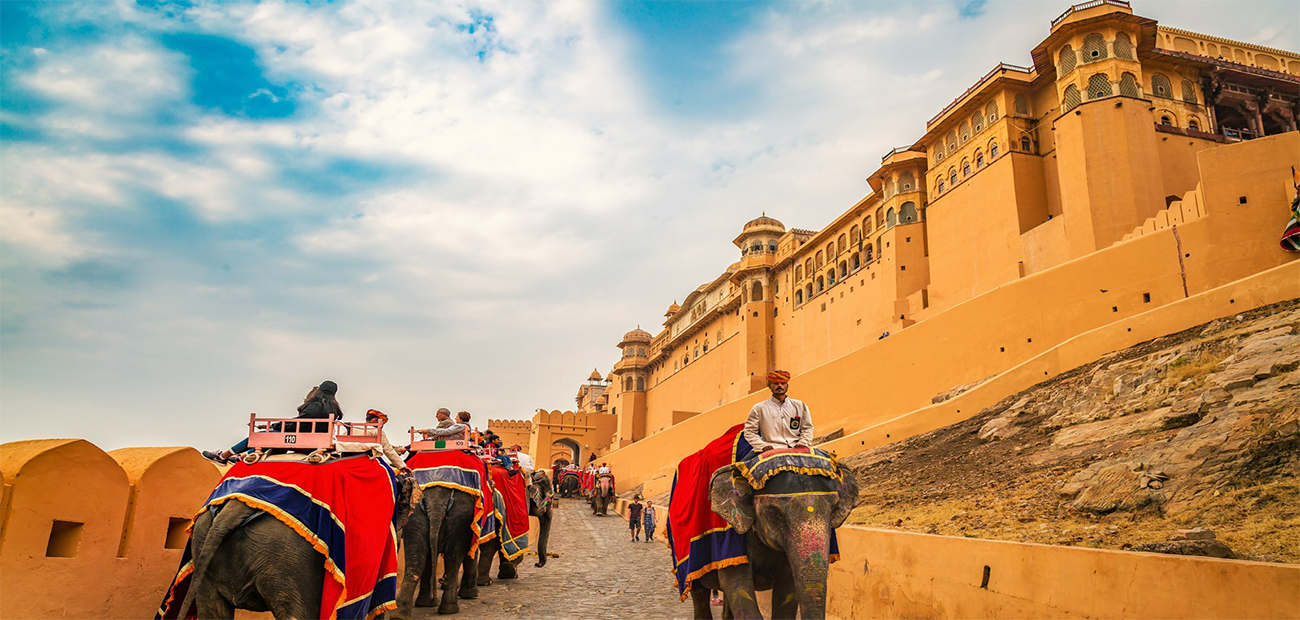
City Palace, the Jal Mahal or Water Palace, Jantar-Mantar, a UNESCO World Heritage site, and the Amber Fort are
all notable examples of Indian, Mughal, and Rajput architectural fusion. Hotel overnight stay.

Seventh Day: Samode – Jaipur

Drive to Samode after a leisurely breakfast. Samode is a little, historic village. The word “comfort” is
redefined by Samode Palace. Each stylishly and opulently decorated room has a distinct personality of its own.
You are invited to unwind by couches with excellent carvings and four poster beds covered in sheer, delicate
fabric. Everywhere you go, flowers accompany you: in the courtyards, the painted sitting areas, the attractive
prints on the flowing curtains, the softly brushing linen, the floating rose petals in your bathtub, and the
lovely, intricate patterns on the plush carpets underneath your feet.

Stay the night at the Samode Palace Hotel after dinner.

Eighth Day: Samode to Deogarh

Drive to Deogarh after a leisurely breakfast. The Deogarh family members transformed their luxurious heritage
hotel, the Deogarh Mahal, into a hotel. Each room has an own theme, personality, and name. We have three
destinations in Deogarh: the Mahal, the Khayyam, and the Fort Seengh Sagar.

Stay the night at the Deogarh Palace Hotel after dinner.

Ninth Day: Deogarh, Ranakpur, and Udaipur

Drive to Udaipur after a leisurely breakfast and stop at the Ranakpur Jain Temple en route. Jains of Ranakpur
Temple The Chaturmukha Jain Temple of Rishabhadeva is located in the centre of the secluded and alluring
Arvallis Valley, edging the Maghai River and engulfed in the seclusion of the surrounding forest. With 1444
pillars, this temple is also known as a city of pillars or a treasure house of pillars. Travel to Udaipur after
visiting the Jain Temple. Arrival in Udaipur; hotel check-in; dinner; and overnight stay.

Tenth day: Udaipur

After breakfast, take a morning tour of Udaipur that includes stops at the city palace, Jagdish Temple, Sahelion
ki Bari (Princess Garden), and a boat ride on Pichola Lake. Free time in the evening for leisure pursuits, etc.
Dinner and a hotel stay are included.

Eleventh Day: Delhi – Udaipur

After breakfast, drive to Udaipur Airport; upon arrival, take a shuttle to your hotel in Delhi. After hotel
check-in, spend the night there.

Twelfth day: Delhi

After breakfast, depart from the hotel and go sightseeing in Delhi. Visit the Jama Majid and Raj Ghat in old
Delhi, then proceed to the Bangla Sahib Gurudwara, drive past the President’s House and India Gate, and in the
evening, go to the Qutub Minar (a UNESCO World Heritage Site). Transfer to the airport so you can catch your
journey home.

Namaste!

Categories
Uncategorized

Best Heritage Hotel in India

Best Heritage Hotel in India: Experience Royal Luxury

India is culturally rich, and home to grand palaces and timeless traditions, and one of the finest ways to enjoy its royal essence is to stay at a heritage hotel.

Heritage hotels are more than a visit or stay; they are living monuments of history with stories of kings, queens, and centuries-old places carved into their walls. If you love luxury and history, visiting a heritage hotel in India cannot be missed.

Heritage hotels are worth visiting because they let you,

  • Stay in hotels that cherish and honor historic architecture and royal decor.
  • Be afforded modern comfort, while enjoying the ambience of the past.
  • Enjoy individualized hospitality which makes you feel like royalty.

For these reasons and many more, travelers will lean towards luxury heritage hotels India, as they seamlessly combine comfort and elegance, while you bask in the warmth of centuries-old customs.

Top Heritage Stays India You Need to Visit

These are just some of the top heritage stays India offering a regal experience:

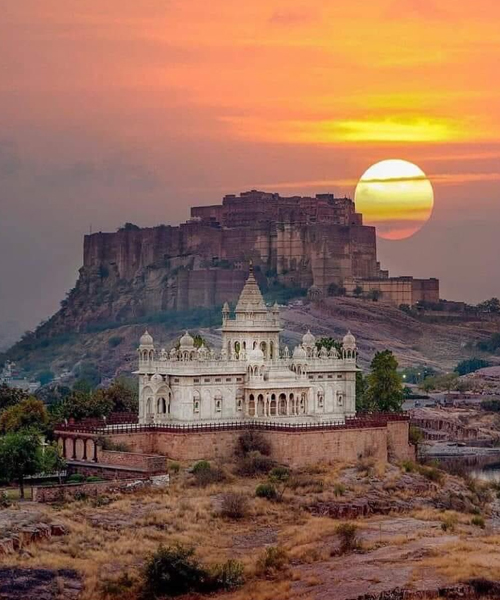
Umaid Bhawan Palace, Jodhpur

  • One of the best palace hotels in India
  • It has spectacular views of Jodhpur city and Mehrangarh Fort
  • With luxurious rooms and royal treatment

Taj Falaknuma Palace, Hyderabad

  • Well-known amongst the historic hotels in India.
  • The royal architecture, Italian marble, intricate carvings
  • Where you enjoy panoramic views of the city and fine dining.

The Oberoi Rajvilas, Jaipur

  • It’s one of the best luxury heritage hotels in India
  • Set in lovely gardens and royal decor.
  • It offers world-class amenities and a peaceful environment.

Lake Palace, Udaipur

  • One of the best palace hotels in India
  • Floating in the middle of Lake Pichola with mesmerizing views
  • Luxurious rooms with hospitality that is incomparable.

Neemrana Fort Palace, Rajasthan

  • A famous heritage hotels in India
  • Built in the 15th century and modern amenities
  • Cultural performances, adventure activities and historical charm.

Reasons Why the Guests Enjoyed Their Stay At These Hotels:

Have you ever wanted to feel like a king or queen? Each of the heritage hotels listed in this article will help you accomplish just that.

You’ll also enjoy cultural performances, royal dinners, heritage walks, authentic traditional dishes, stunning gardens, and important historic corridors.

Hotel Selection Fundamentals:

  • Location, Location, Location: Will your plan involve being city-centered or out in the sticks? Choose your palace hotel accordingly!
  • Authenticity: Now let’s talk about authenticity… Select a luxury heritage hotel that does not inhibit the original architecture and style; they will be different.
  • Luxury Amenities: Just because you are staying in a luxury heritage hotel, it’s still nice to have all of the modern amenities such as a spa, swimming pool, and high-end dining options.
  • Looking at reviews: The best place to read about luxury heritage hotels in India is guest reviews.

Conclusion

Staying in a historic hotel in India is like going back in time, but with a modern luxury. Whether you choose the best palace hotels in India, or any luxury heritage hotels in India, you will find the experience to be magnificent for travelers seeking comfort, history, and elegance.


Categories
Uncategorized

Stepwell Tour in India

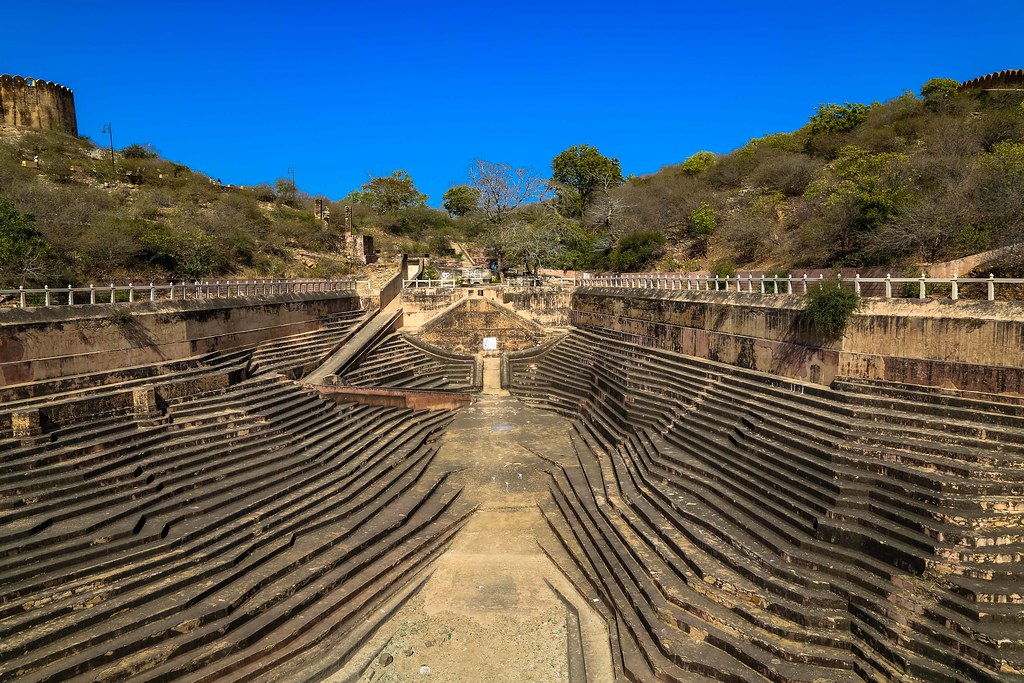
A stepwell, also known as a bawari, is a tunnel with stairs down to the bottom and rooms or other structures below
where travellers might rest because the temperature inside is 5 to 10 degrees cooler than outside. Water is supplied
to Stepwell for drinking, washing, bathing, and agriculture irrigation. Additionally, they functioned as cool havens
for caravans, pilgrims, and other road users throughout the day or at night.

Rajasthan’s Chand Baori is in Jaipur.

95 kilometres from Jaipur, in the village of Abhaneri, is where you’ll find Chand Bawari. There are 3500 steps on the
bawari. With 13 stories, the depth is over 100 feet. There is an ancient Harshad Mata shrine close to Chand Bawari.

Delhi’s Agrasen Ki Baoli

The Archaeological Survey of India (ASI) has declared the historical step well Agrasen ki Baoli, which is 60 metres
long and 15 metres wide, as a protected monument. It is located on Hailey Road in New Delhi, India. There aren’t
many Baolis like this one in Delhi; it has 108 steps. Three floors make up the elements of this antique step well
that are visible. Arched niches line the walls of each level.

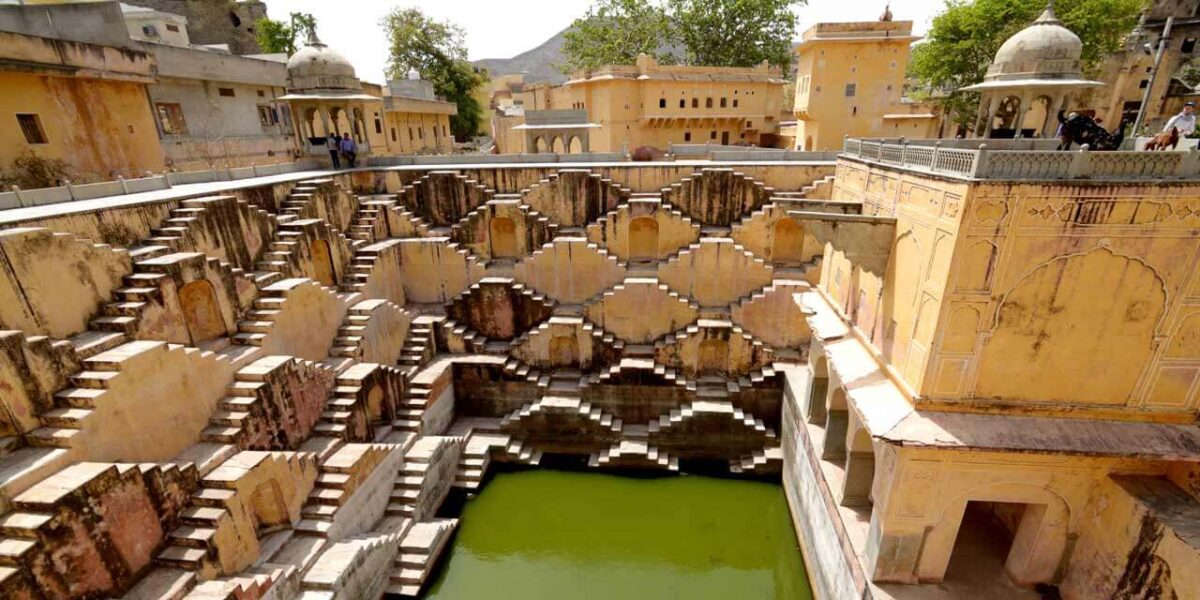
Rajasthan’s Panna Meena ka Kund is in Jaipur.

A room is located on the northern wall of the square-shaped stepwell known as Panna Meena ka Kund, which has adjacent
stairs on all four sides. One of Jaipur’s most beautifully restored stepwells, or Baori, is Panna Meena Ka Kund.
This space is thought to have been used for religious rituals before weddings or during well-known festival times.

Bundi, Rajasthan’s Queen’s Stepwell

A famous stepwell known as Raniji ki Baori, sometimes known as “Queen’s stepwell,” is located near Bundi town in the
Indian state of Rajasthan. It was constructed in 1699 by Rani Nathavati Ji, the younger daughter of Bundi’s king Rao
Raja Anirudh Singh.

WhatsApp Icon